Quick answer: The best things to do in the Galápagos are snorkeling with sea lions and turtles, seeing giant tortoises in the Santa Cruz highlands, hiking Sierra Negra on Isabela and taking a boat to an uninhabited island like North Seymour or Bartolomé. Many beaches are free; boat trips cost about $60–310 in 2026.
Updated September 2026 by our local guides in Quito: we added a table of activities with 2026 costs and best months, fixed rules that have changed (Las Grietas now needs a guide), and replaced old tour names with the trips we run today.
| Activity | Island | Cost as of 2026 | Best months |
|---|---|---|---|
| Tortuga Bay beach walk and swim | Santa Cruz | Free, open 6:00–18:00, sign in at the trailhead | Year-round; calmest water Dec–May |
| Charles Darwin Research Station | Santa Cruz | Free (optional guided visit about $10) | Year-round |
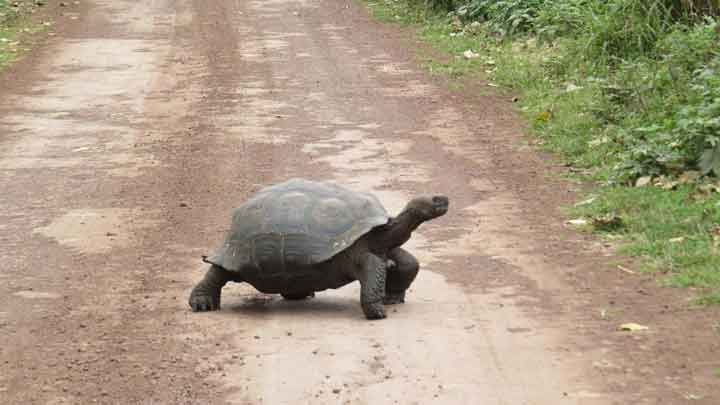
| Giant tortoises at El Chato | Santa Cruz highlands | About $10 entry | Year-round; tortoises often in the highlands Jun–Dec |
| Las Grietas swim | Santa Cruz | About $10, guide required, plus $1 water taxi each way | Dec–May for warmer water |
| Concha de Perla snorkel, flamingo lagoon, Wall of Tears by bike | Isabela | Free; bike rental about $10–20 a day | Year-round |
| La Lobería and Cerro Tijeretas | San Cristóbal | Free | Sea lion pups Aug–Nov |
| Los Túneles snorkel tour | Isabela | About $150–180 (tour) | Dec–May for calmer seas |
| Las Tintoreras (sharks, penguins) | Isabela | About $60–80 (tour) | Year-round |
| Kicker Rock snorkel | San Cristóbal | About $150–170 (tour) | Dec–May for visibility |
| Scuba diving, 2 dives (Gordon Rocks, Kicker Rock) | Santa Cruz / San Cristóbal | About $230–295; Open Water certification | Jun–Dec for more sharks; Dec–May for warmer water |
| North Seymour: boobies and frigatebirds | Day tour from Santa Cruz | From $270 | Year-round |
| Bartolomé: Pinnacle Rock and penguins | Day tour from Santa Cruz | From $310 | Year-round |
| Santa Fe, Plazas, Pinzón, Floreana | Day tours from Santa Cruz | From $200, $300, $190 and $230 | Year-round; seas calmer Dec–May |
Local tip: Do the free sites on your own and spend your budget on one or two boat trips to uninhabited islands. That is where you see wildlife you cannot find near town. Our Galápagos on a budget guide shows how to balance it.
Planning a vacation can be an overwhelming task. When traveling to a bustling tourist location, there is never a shortage of different activities to take part in, restaurants to eat at, or sights to see. After you have completed the first task of choosing where you are going, filling up your itinerary is the natural next step. Should you happen to choose the Galápagos Islands as your destination, you can count on any number of fun, one of a kind adventures available to you and your family.
The Galápagos Islands are an archipelago of volcanic islands nestled in the Western Hemisphere in the middle of the Pacific Ocean with their closest neighbor being Ecuador. Famed naturalist Charles Darwin mused over and studied the islands incessantly because of their enormous number of unique endemic species. In fact, Darwin’s findings while on the islands heavily contributed to his groundbreaking theories on evolution thanks to the discovery of natural selection.
Galápagos Islands are Breathtakingly Beautiful
2026 update: UNESCO counts about 127 islands, islets and rocks, of which 13 are major islands and only four are inhabited: Santa Cruz, San Cristóbal, Isabela and Floreana. The “61 islands” figure used below is not a standard count.
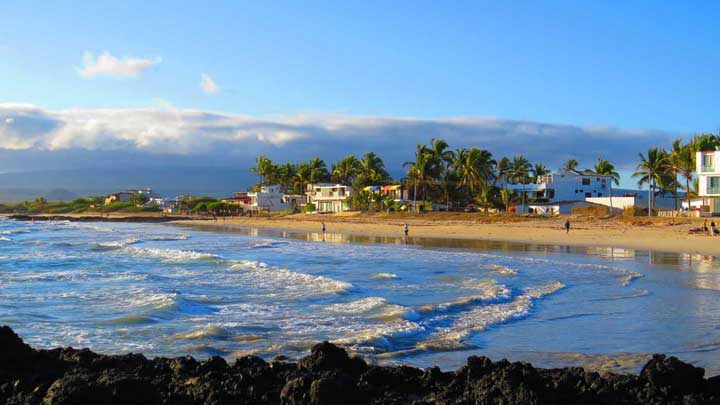
One of the biggest draws of the Galápagos Islands is that they are a stunningly beautiful natural location. Man has only inhabited the islands for a short 150 years, which has gone a long way in preserving the environmental majesty of the location. The islands boast the generally expected treasures, such as soft sandy beaches, lush green highlands, clear blue seas, and magnificent underwater communities and seascapes; but they have so much more to offer than that.
Because of the diverse geology of the islands, of which there are 61 in total, the landscapes are different in every direction that you look. You can hike from the ocean shores, to a lush, thriving forest area, then straight on up to the volcanic mountains while traveling. Because much of the land mass is covered in volcanoes, the physical geographic layout of the islands shifts constantly. While that does not bode well for the map makers, it makes the Galápagos Islands a fascinating location to visit.
The Galápagos Wildlife Should Not be Missed
As previously mentioned, Charles Darwin himself was completely enamored with the Galápagos Islands thanks to the robust wildlife that inhabited them. We have these species to thank for our current day understanding of evolution and natural selection. And while most may assume that the wildlife that lives on the Galápagos Islands is large and diverse, they would be wrong. In fact, compared to other locations in the Amazon basin, their mere 25 (or less) species of reptile is laughable as far as the Amazon is concerned, with their more than 300 reptiles.
The impressive thing about the Galápagos wildlife is that it has somehow figured out a way to endure on the isolated, harsh landscape. These animals have evolved so that they are now born with the required equipment to not only survive, but thrive, on the otherwise uninhabitable land. Because of these nontraditional living conditions, natural selection is rife on the islands. Any new species that spawns or travels there must be ready to really want it. If they do not evolve, well, let us just say it was nice knowing them. Conversely, thanks to these remote and uninviting conditions, the Galápagos Island are one of the most pristine locations on Earth, thanks to the lack of invasive species being introduced to the ecosystems. Silver linings are everywhere.
The Galápagos Islands have no wildlife quite so prevalent as their birds, for no other reason than it was easier for birds to get there than any other species other than fish. With over 181 species of both land and sea birds, with smaller birds like finches particularly thriving, there is no shortage of bird watching opportunities available. Some other species found on the islands include Galápagos Hawks, short-eared owls, mockingbirds, and Galápagos Doves; as well as such sea birds like flamingos, frigate birds, the waved albatross, and the red-footed, Nazca, and blue-footed boobies.
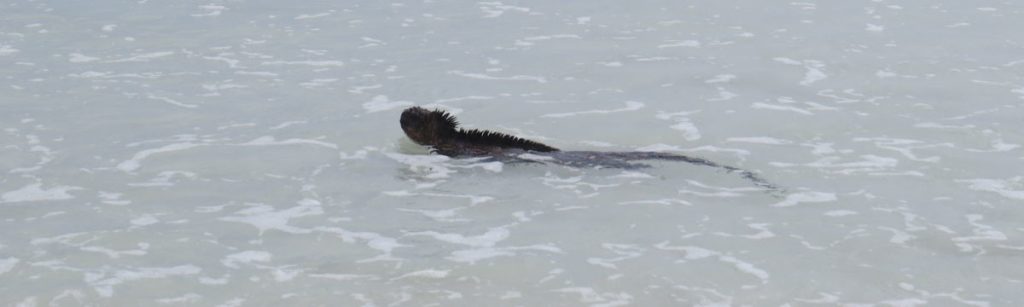
There are also several fishes, marine animals, and mammals that call Galápagos home, such as sea turtles, sea lions, sharks, rays, parrot fish, sergeant-major, king angelfish, dolphins, whales, rice rats, bats, and many others.
Guided Galápagos Excursions are a Must Do
2026 update: Most national park sites still require a licensed naturalist guide, but several near town are free to visit on your own, such as Tortuga Bay (6:00–18:00), the Charles Darwin Station, La Lobería and Concha de Perla. Las Grietas changed in 2021: you now need a guide, and entry costs about $10.
The Galápagos Islands do not mess around when it comes to their guided tours. In fact, since 1975, every visitor that steps foot on to the islands must be accompanied by their own personal certified naturalist guide. These guides must take and pass an officially mandated course, and help by not only guiding tourists, but by being the eyes and ears of the natural park service, reporting introduced species, enforcing rules, informing staff about trails that need grooming and maintenance, etc.
There are four different types of naturalist guides:
- Class one: Guides that have graduated high school and taken and passed the course.
- Class two: Guides that have spent at least four years as a class one guide and that pass an additional test.
- Class three: Guides that have a degree in tourism, biology, or another relevant field and speak at least two languages in addition to Spanish. They also must meet all class two criteria.
- Marine Reserves: Class one, two, or three guides that also are certified to guide scuba trips in the Galápagos Marine Reserve.
Your guide accompanies you on every land outing and is an expert on the local flora and fauna and wildlife. Many tourist testimonials praise their guide as one of the best parts of their trip, thanks to their endless knowledge and cheerful dispositions.
The Scuba Diving is Something You Can Never Forget
2026 update: Day trips with two dives cost about $230–295 and need at least an Open Water certification. Gordon Rocks has strong currents, and operators usually ask for around 20 logged dives. Darwin and Wolf islands are only reached on liveaboard dive cruises, not day trips.
The Galápagos Islands have some of the most breathtaking underwater seascapes in the world. In the year 2000, it was named the world’s top dive site by Rodale’s Scuba Diving and has been chosen as the top spot for “Best Value,” “Best Big Animal Dive,” “Best Fish Life,” “Best Advanced Diving,” and “Healthiest Marine Environment.” If scuba diving is on your bucket list of things to do, Galápagos is the place to do it.
Experts have happily shared some tips when it comes to diving in and around the Galápagos Islands, and novice and expert divers alike would be wise to heed their advice.
- The costs of Live Aboards is the same all year long, but from April to May and September to October, airfare to and from Ecuador typically slightly decreases.
- Wolf and Darwin Islands are a must see because of the habitual sightings of enormous schools of hammerhead sharks, as well as whale sharks.
- While there is good diving to be had all year long, the best times tend to be between June and December, thanks to the presence of whales, hammerheads, rays, and other large marine animals.
- You are going to want to procure a dive package if you choose the live aboard options, because they take care of every single element of the adventure from start to finish.
If you inquire at your hotel about combining land and diving tours, you may find more availability and accommodations. - Dive trips and packages that are offered daily to and from Santa Cruz and San Cristobal allow divers to experience all of the diverse underwater seascapes that the Galápagos Islands have to offer.
- Gordon Rocks is an out of this world dive site as it allows the diver the opportunity to get up close and personal with Galápagos sharks, hammerheads, and rays.
Every single underwater adventure is curated and executed by your own island guide, so it is sure to be a memorable experience, one that you are not likely to soon forget or regret.
Snorkeling is Also Available for the Slightly Less Adventurous
Thanks to the healthy reef and marine life in the Galápagos Islands, one does not have to pass a test to experience the wonder of the sea. Snorkeling offers visitors a magnificent opportunity to see the unspeakable beauty of the underwater communities surrounding the islands. With only a mask and a snorkel, you have the opportunity of coming face to face with a penguin, a sea turtle, and an octopus all within the same day.
Every boat tour in the Galápagos Islands offers snorkeling opportunities, and after quickly suiting up and a quick dip in the ocean, you too can create these memories that last a lifetime. Just do not forget to bring your underwater camera!
There Are Options for Adventure Travelers
If you are one of those travelers that fancies themselves adrenaline junkies, Galápagos may just be the place for you. The islands now offer special adventure travel packages that go far beyond the typical tourist activities previously discussed above. The Galápagos active travel adventure allows visitors to horseback ride, kayak, mountain bike, or snorkel up close and personal with fearless marine life. These packages are typically a combination of land and sea adventures and offers visitors the opportunity to travel between islands via speedboat or private plane, while also partaking in their favorite adventure sports.
Some tour highlights of Community Adventures:
Floreana Tour: Hike to the Asilo de la Paz visitors site. Snorkeling with endemic animal of the island.
Santa Fe Tour: Visit the Santa Fe cliffs. Snorkeling (Hidden Beach).
North Seymour Tour: Hike through lava pillows. Snorkeling with endemic animal of the island.
Isabela Tour: Sierra Negra Volcano Trekking.
Pinzon Tour: Snorkeling with endemic animals.
Bartolome Tour: Hiking and Snorkeling.
Galapagos Island Hopping Tours: Visit Loberia Beach on San Cristobal Island where you can go snorkeling. Visit PEace Asylum on Floreana Island and see the Giant Tortoises. Make a volcano hike mon Isabela Island and visit the Cabo Rosa Tunnels. Get to know visit the Tintoreras Islet and visit Tortuga Bay on Santa Cruz.
More information about our Galapagos land based tours.
Island Hopping Gives You a Chance to See it All
2026 update: The programs named below are no longer what we offer. Today we run 5-day, 7-day and 8-day island hopping trips on a budget, plus single day tours from Santa Cruz. Our island hopping vs cruise comparison helps you choose.
These specialized tours give travelers the opportunity to visit and stay on up to three different islands within the area. Each tour offers different sights, experiences, adventures, and accommodations, so it is important to know what you want to see before you lock yourself into anything.
Some of the tours offered include the Galápagos full pack, the Darwin Footsteps tour, the Sea Lion expedition, the Flight of the Albatross tour, The Penguin Pursuit, the Forgotten Path and Beyond, the Cabinet of Evolution, and the Golden Finch trail. Each of these tours and expeditions includes visiting different islands, which also includes seeing different wildlife, plant life, and topography. While none of the tours are disappointing, they do not all offer the same things, so research is key.
Hotel Based Tours Help Take the Anxiety out of Planning
For those travelers who prefer a more land locked approach to their adventures, hotel-based tours are a great option. These tours keep you on solid ground while still offering day trips to different islands so that your travel experience is a rich and diverse one. These tours also offer more freedom as to what islands you see and when you see them.
Travel services in the Galápagos islands have partnered with local communities to ensure that each tourist is receiving the best possible travel experience, while still ensuring that the splendor of the natural and fragile environment is protected. Not only do these services handle every aspect of your daily itinerary from the moment you arrive to the moment you leave, they provide you your naturalist guide so that you have the full Galápagos experience.
Some of the tours offered through the hotel programs are Treasure Quest, Galápagos Dream, Express Program, and Island Secrets. Any one of these tours would provide an exceptional tourist experience for every traveler.
The Galápagos Climate Allows for Year-Round Travel
2026 update: The two seasons are still warm and wet from about December to May and cooler and drier from June to November, with colder water and rougher seas in the second half of the year. For month-by-month wildlife and water temperatures, see our 2026 season-by-season guide.
The Galápagos Islands do not tend to reach higher than 77 degrees Fahrenheit. That is the average temperature during their warm months, which runs from December to May. Their cooler season, which runs from June to November, tends to hang right around the 72-degree mark, making it a nearly perfect vacation spot. During the warm season, the wind is still, the rain is sporadic, and there are clear, blue skies almost every single day. Whereas in the cooler months, steady, chilly winds blow in from the south and southeast, dense fog covers the islands, and there are frequent cold drizzles that typically last the better part of the day. These conditions obviously shift depending on the terrain, altitude, and general island location, as conditions are wont to do. The higher up the mountain you go, the colder it gets, it stays more humid in the forested areas, and the breeze is always stronger on the ocean.
Anyone that choose Galápagos for their vacation destination has a trip of wonder in store for them. There is so much to do and see on the islands that you better be ready to go, go, go all day, every day.
How do you plan things to do in the Galápagos in 2026?
Budget the fixed costs first. Since August 1, 2024, foreign adults pay a $200 Galápagos National Park fee, plus the $20 transit control card bought at the Quito or Guayaquil airport and $10 at the Puerto Villamil pier if you visit Isabela. Flights from mainland Ecuador usually run $350–600 round trip.
Then decide how you move. Speedboats between Santa Cruz and Isabela or San Cristóbal take 2–2.5 hours. Day tours to Bartolomé, North Seymour and the other uninhabited islands leave early from Santa Cruz and sell out in July, August and December, so book those ahead even if you keep the rest flexible.
7 Day Galápagos Island Hopping on a Budget (3 Islands) · 7 days · Santa Cruz, Isabela and Santa Fe · daily departures on request
Hotels, breakfasts and lunches, speedboats, snorkel gear and guided visits like Los Túneles, Tintoreras, the Wall of Tears and the tortoise highlands. Flights, park fee, transit card and the Isabela pier fee are extra. Ask us on WhatsApp for the current price.
Galápagos day tours from Santa Cruz · Bartolomé from $310 · North Seymour from $270 · Santa Fe from $200 · Plazas from $300 · Pinzón from $190 · Floreana from $230
If you already have your hotel, add one boat trip to an uninhabited island. Bartolomé is the pick for penguins and the classic viewpoint; North Seymour for blue-footed boobies.
Related guides
- Best time to visit the Galápagos Islands: 2026 season-by-season guide
- Galápagos on a budget: real 2026 costs
- Bartolomé Island: hiking Pinnacle Rock and snorkeling with penguins
- Galápagos Islands: what they are and how to visit
- The complete Ecuador packing list
Plan it with us
Our office is at Pedro Fermín Cevallos N6-78 y Olmedo in Quito, next to Community Hostel, and our local team plans Galápagos trips every week. Message us on WhatsApp at +593 97 953 3832 or write to info@communitytravel.ec with your dates, and we will send current prices for flights, hotels and tours.
Frequently asked questions
What is the number one thing to do in the Galápagos?
For most travelers it is snorkeling, because you share the water with sea lions, turtles, rays and reef sharks, often within a few meters. Close behind is walking among giant tortoises in the Santa Cruz highlands. If you can add one boat trip, Bartolomé or North Seymour shows you wildlife and landscapes you cannot reach from town.
What can you do for free in the Galápagos?
Plenty. On Santa Cruz, walk to Tortuga Bay (open 6:00–18:00) and visit the Charles Darwin Research Station. On Isabela, snorkel at Concha de Perla, see flamingos at the lagoon by town and bike to the Wall of Tears. On San Cristóbal, La Lobería and Cerro Tijeretas are free and full of sea lions. You still pay the park fee to enter the islands.
How much do Galápagos day tours cost in 2026?
Boat trips to uninhabited islands cost roughly $190 to $310 per person. Our current prices start at $190 for Pinzón, $200 for Santa Fe, $230 for Floreana, $270 for North Seymour, $300 for Plazas and $310 for Bartolomé. Shorter local tours like Las Tintoreras run about $60–80, and Los Túneles about $150–180.
Do you need a guide in the Galápagos?
You need a licensed naturalist guide for most national park visitor sites and for every boat trip to uninhabited islands. Some sites near town can be visited on your own, including Tortuga Bay, the Charles Darwin Station, La Lobería and Concha de Perla. Las Grietas on Santa Cruz has required a guide since 2021.
When is the best time to snorkel in the Galápagos?
December to May usually brings the warmest water, around 24–26°C (75–79°F), calmer seas and better visibility. From June to November the water cools to roughly 19–23°C, so you will want a wetsuit, but nutrient-rich currents bring more fish and active sea lions. Wetsuits rent for about $10 a day.