Quick answer: Ingapirca is Ecuador’s largest Inca site, built over an older Cañari settlement at 3,160 m in Cañar province. It is about 2 to 2.5 hours by bus from Cuenca ($3.50–4 each way). Entry costs $2 for adults, $1 for students, and is free for children under 12 and seniors. It opens Wednesday to Sunday, 8:00 to 16:30.
Updated September 2026 by our local guides in Quito: we added the official 2025 entry fees and opening days, bus options from Cuenca, the new site museum, and corrected how the ruins were rediscovered.
Ingapirca at a glance (2026)
| Item | Details (as of 2026) |
|---|---|
| Where | Ingapirca parish, Cañar province, 3,160 m above sea level, about 80 km north of Cuenca |
| Direct bus from Cuenca | Transportes Cañar from the Terminal Terrestre, usually 9:00 (plus a 12:20–12:30 departure on some days); returns around 13:00–15:45. About 2–2.5 h, $3.50–4 each way |
| Bus via Cañar or El Tambo | Any Cuenca–Cañar bus (every 30 min, about $2.50), then a local bus to Ingapirca ($0.50–1). Good backup if you miss the direct bus |
| From Alausí (Devil’s Nose) | Southbound buses on the Panamericana pass El Tambo; ask to get off there and take a local bus or taxi up to the ruins |
| Entry fee | $2 adults (nationals and foreigners); $1 students and ages 12+; free for under 12, seniors and people with disabilities |
| Opening hours | Wednesday to Sunday 8:00–16:30; holidays 9:00–16:30; closed Monday and Tuesday |
| Guided tour | Included with the ticket, about 45 minutes, mostly in Spanish (English depends on staff that day) |
| Time needed | 1.5–2 hours on site, plus the new archaeological museum (about 170 pieces) |
Local tip: Do not show up on a Monday or Tuesday, the site is closed. Tickets can be booked online on the INPC reservations system or bought at the gate, subject to capacity. Bring a warm layer and a rain jacket: at 3,160 m the wind and afternoon showers arrive fast.
Author: APRILHOLLOWAY
Located at an altitude of over 3,000 meters in the picturesque Andes Mountains of Ecuador sits Ingapirca, the largest and best preserved archaeological site in Ecuador. Affectionately known as “The Machu Picchu of Ecuador”, it is also the most important Inca site in the country. What makes this site particularly unique is that it stands as a lasting record of the joining of two cultures – the original Cañari people, a matriarchal society that worshipped the moon, and their Inca conquerors, a patriarchal society that worshipped the sun. Remarkably, the two peoples lived harmoniously, celebrating their commonalities and respecting their differences.
The Ancient Origins of Ingapirca
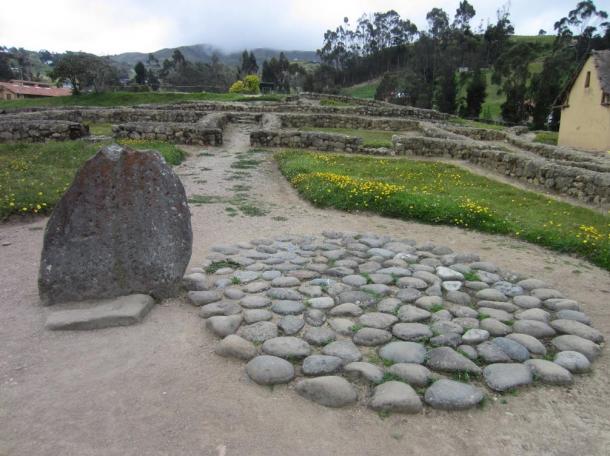
The site of Ingapirca (meaning ‘Inca Wall’ in Kichwa) had long been settled by the Cañari indigenous people, who named it Hatun Cañar. Excavations at the site unearthed a 1,200-year-old burial of an elite female with ten women surrounding her, who had drunk poison to be with their female leader in death. They built a circular moon temple, as well as a rock calendar that recorded the lunar cycle.
Towards the end of the 15th century, the Inca arrived led by Túpac Yupanqui. The intention was to quickly subjugate the Cañari people and amalgamate their territory. However, the Cañari fiercely defended their territory and were not so easily defeated. So the Inca proposed a political alliance. The Inca nobles married the Cañari princesses and a pact was negotiated in which it was agreed they would live together – the Inca would have a strategic base in the area, while the Cañari would have the protection of the Inca warriors.
The city was renamed and a new hybrid community was formed. Although the Inca were more numerous, they did not demand that the Cañari give up their autonomy. The Cañari continued to manage their own affairs and retained their individual customs, but adopted the language of the Inca. Together they celebrated common festivities, drinking large quantities of fermented beverages. Yet, separately they continued with their individual beliefs – the Cañari worshipping the moon and the Inca worshipping the sun.
The new city served as an important religious, political, military and administrative center for both the Inca and the Cañari.
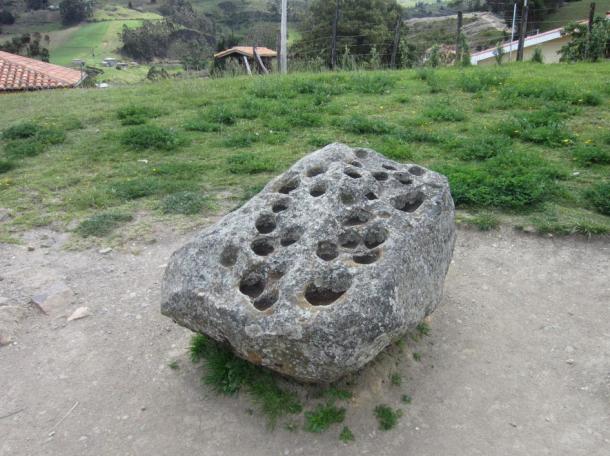
Features of the New City
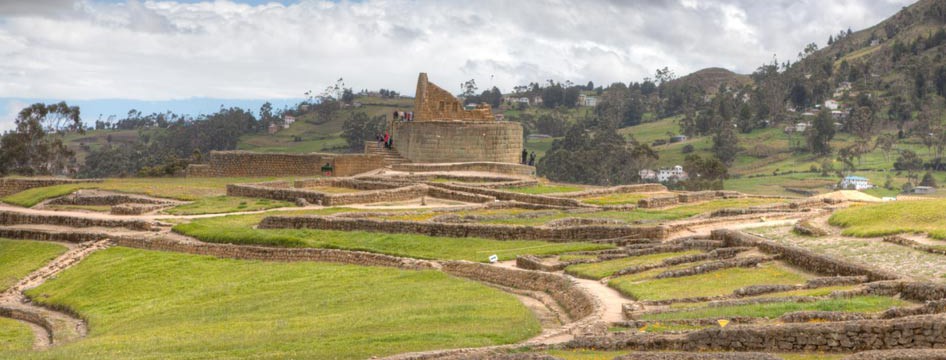
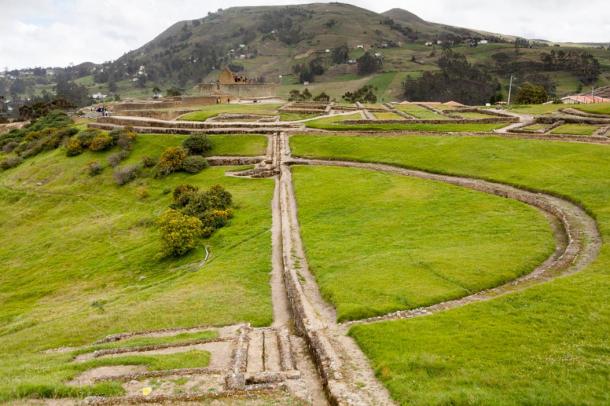
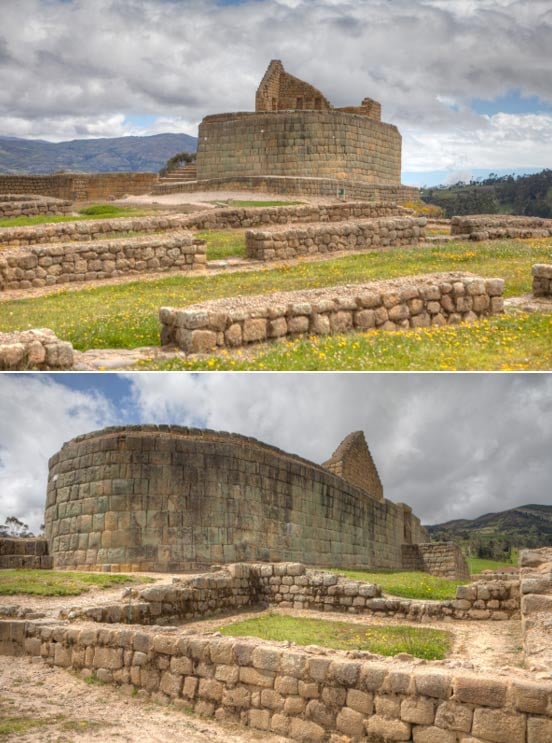
Ingapirca today displays an interesting combination of both Inca and Cañari architecture. The rough stone walls with mortar and rounded half-moon temple reflect the Cañari civilization, while the rectangular buildings and highly-precise walls built without mortar reflect the Inca culture.
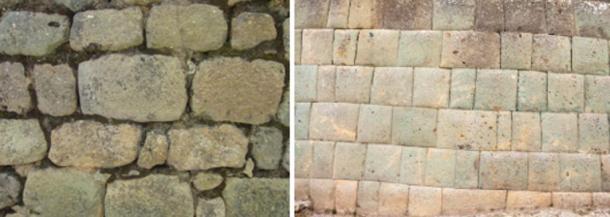
The site is also composed of temples, chambers for priests, a ceremonial plaza, cobblestone streets, a solar observatory, a lunar calendar, storage rooms, ritual baths, dwellings, and a sophisticated advanced aqueduct system to distribute water to the entire compound.
By far the most impressive structure at Ingapirca is the Temple of the Sun, also known as El Castillo (The Castle), an elliptical-shaped building that aligns perfectly with the summer solstice. The stones were carefully chiseled and polished and positioned to fit together perfectly without mortar.
The End of Ingapirca
2026 update: Ingapirca was never fully lost. French scientist Charles-Marie de La Condamine made the first scientific description of the ruins in 1739, and local people always knew the site. Today it is managed by Ecuador’s Instituto Nacional de Patrimonio Cultural (INPC). Entry is no longer free: the official fee is $2 for adults, and the guided walk is included in that ticket (gob.ec, updated October 2025).
The growth of Ingapirca was short-lived because the Spanish arrived before it was even completed. The city was ransacked and its inhabitants were slaughtered. The conquistadors knocked down most of the buildings and took the stone to build churches. The site lay abandoned for centuries and became covered with vegetation.
Ingapirca had long been forgotten until a farmer discovered the ruins in his field. The Ecuadorian government began an extensive restoration project in the 1970s, and many of the original stones that had been stolen were returned to the site. The site is now open to the public and is run by the local Cañari people, who give guided tours for free, sharing the story of their past to all who come to visit.
All images copyright Ancient Origins.
References
Atlas Obscura (2014) – Ingapirca. Available from: http://www.atlasobscura.com/places/ingapirca
Enciclopedia del Ecuador – Cañari Confederation. Available from: http://www.enciclopediadelecuador.com/temasOpt.php?Ind=354
Hyslop, John (19 February 2014). Inka Settlement Planning. Austin, Texas: University of Texas Press.
Lauderbaugh, George (22 February 2012). The History of Ecuador. Westport, Connecticut: Greenwood Publishing Group.
With special thanks to the Cañari people, who shared their knowledge with us.
How do you visit Ingapirca from Cuenca or Quito?
Cuenca is the natural base. Take the 9:00 Transportes Cañar bus from the Terminal Terrestre, spend two hours at the ruins and the museum, walk the short trail to the Cara del Inca rock face, and catch the afternoon bus back. If the direct bus is full or not running, go to Cañar or El Tambo and switch to a local bus. Tours from Cuenca are also sold if you prefer not to deal with buses.
From Quito, Cuenca is about 9 to 10 hours by bus or a short domestic flight. Our favorite way is to break the trip in Alausí: ride the Devil’s Nose train, sleep at Community Hostel Alausí, and continue south the next morning with a stop at Ingapirca on the way to Cuenca.
Devil’s Nose train + Community Hostel Alausí · train Thu–Sun and holidays, about 2.5 h round trip
Heading south toward Cuenca? Break the trip in Alausí, ride the Devil’s Nose train and sleep at our own hostel a short walk from the station. From Alausí it is a short hop down the Panamericana to Ingapirca.
Starting in Quito? Our free walking tour covers the colonial Old Town, and Museo Casa del Alabado nearby has pre-Columbian pieces that give great context before you see Ingapirca. See the Free Walking Tour or browse all our tours.
Related guides
- Devil’s Nose train in Alausí: the complete 2026 guide
- Ecuador itinerary for 7, 10 or 14 days
- Giant skeletons in Ecuador: what was claimed and what is documented
- Tayos Cave: what is documented and how to visit
- Altitude sickness in Ecuador: how to prevent soroche
Plan it with us
Want help fitting this into your Ecuador route? Drop by our office at Pedro Fermín Cevallos N6-78 y Olmedo in Quito, message us on WhatsApp at +593 97 953 3832, or email info@communitytravel.ec. Our local guides answer the same day.
Frequently asked questions
How much does it cost to enter Ingapirca?
The official fee is $2 for national and foreign adults and $1 for students and visitors aged 12 and over. Children under 12, seniors and people with disabilities enter free with ID. The ticket includes a guided walk of about 45 minutes and access to the site museum. Rates are from Ecuador’s heritage institute, updated October 2025.
What days is Ingapirca open?
Ingapirca opens Wednesday to Sunday from 8:00 to 16:30, and on public holidays from 9:00 to 16:30. It is closed on Mondays and Tuesdays. You can reserve online through the INPC reservations system or buy tickets at the gate, subject to capacity, so weekends and holidays are worth booking.
How do I get from Cuenca to Ingapirca by bus?
Transportes Cañar runs direct buses from Cuenca’s Terminal Terrestre, usually at 9:00 with an extra midday departure on some days, taking about 2 to 2.5 hours for $3.50 to $4. Returns leave in the early and mid afternoon. Alternatively, take any bus to Cañar or El Tambo and switch to a local bus.
Is Ingapirca worth visiting?
Yes, if you are traveling between Alausí and Cuenca or staying in Cuenca. It is the best-preserved Inca site in Ecuador and the only one mixing Cañari and Inca architecture so clearly. It is much smaller than Peru’s sites, so plan a half day, not a full trip. The new museum adds useful context.
Who built Ingapirca, the Inca or the Cañari?
Both. The Cañari people lived and buried their dead here centuries before the Inca arrived in the late 1400s. The Inca then added the elliptical Temple of the Sun and fine mortarless stonework. Today you can see rougher Cañari walls and circular structures next to precise Inca masonry on the same site.