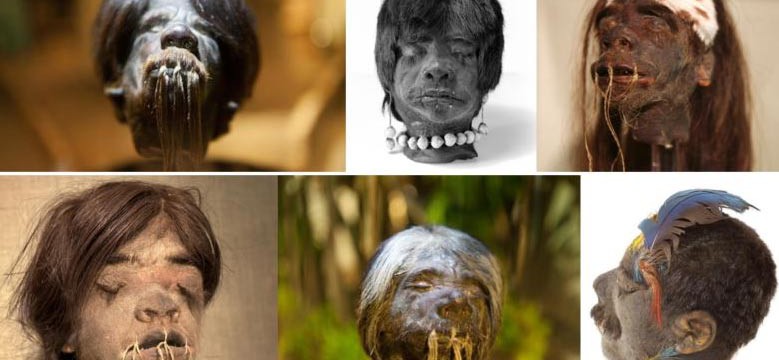
Quick answer: Shrunken heads, or tsantsas, were real ceremonial objects made by the Shuar and related Jivaroan peoples of Ecuador and Peru from the heads of enemies killed in war. The practice ended in the 20th century. Western demand created a trade and many fakes, and museums are now removing tsantsas from display and discussing repatriation.
Updated September 2026 by our local guides in Quito: we kept the original article and its images, and added what is documented versus what is myth, the trade in fakes, recent museum decisions on display and repatriation, and where you can learn about Shuar culture respectfully in Ecuador.
Shrunken heads: what is documented and what is myth
| Claim | What the evidence says |
|---|---|
| Who made them | Jivaroan peoples: Shuar, Achuar, Awajún (Aguaruna) and Wampis (Huambisa) in southeastern Ecuador and northern Peru. “Jivaro” is an outsider’s term, and Shuar is the name people use for themselves. |
| Why they were made | A war ritual meant to control the spirit of a slain enemy so it could not take revenge. The process described in the article below matches ethnographic accounts. |
| Are they still made? | No. The ceremonial practice ended in the 20th century, and trading tsantsas was outlawed in Ecuador and Peru. |
| Are museum heads genuine? | Often not. Demand from collectors produced fakes made from monkey or sloth skin, goatskin or unclaimed human bodies. One researcher, Kate Duncan, estimated that about 80% of tsantsas in private and museum hands are not authentic. |
| Where are they now? | Museums around the world hold at least 170, including more than 80 in UK institutions. |
Local tip: The “shrunken heads” sold in some souvenir shops and online are leather or goatskin replicas. Buying and exporting real human remains or Ecuadorian cultural heritage is illegal, and customs will seize them.
Author: April Holloway
Headhunting is a practice that has been carried out by numerous cultures throughout the world. For instance, during the Qin dynasty in ancient China, it is claimed that soldiers collected the heads of their dead enemies, and tied them around their waists. This was intended to terrorise and demoralise their enemies. Despite the fact that headhunting was not too uncommon a practice, the shrinking of human heads is one that was unique to the Jivaro natives of Ecuador and Peru.
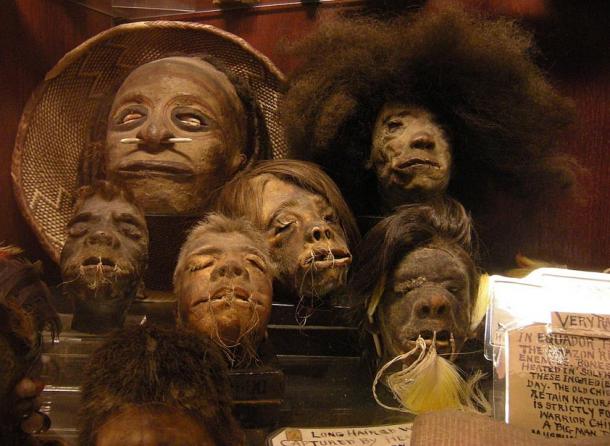
The process of making a shrunken head began by obtaining a human head in battle. A head was removed from the body by cutting the skin at the extreme base of the neck. An incision was made up the back of the neck in order to peel the flesh away from the skull. The entire skull was then removed and thrown away. The eyes were sewn shut, and the mouth closed by passing small, sharp palm pegs through the lips. Then, the skin was put into a boiling pot and left to simmer for about an hour and a half to two hours. The timing was crucial, as too short a time would result in the head not shrinking properly, while leaving the head too long in the pot would cause the hair on the head to fall out. When the head was removed from the pot, it would be reduced by two-thirds of its original size, and would have a rubbery texture.
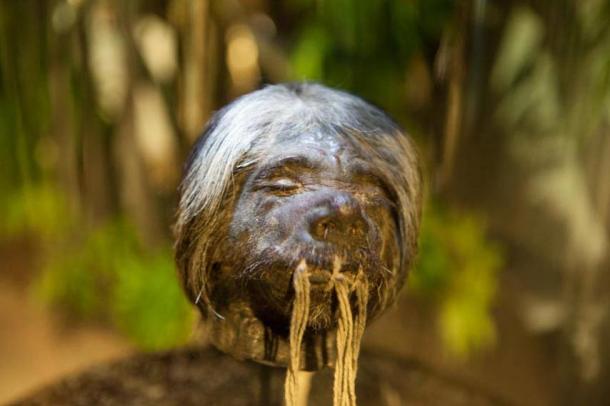
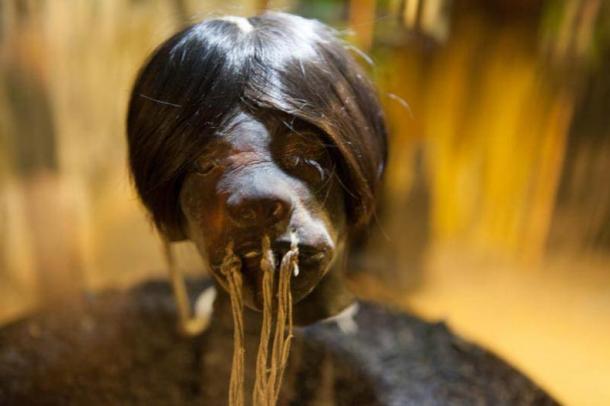
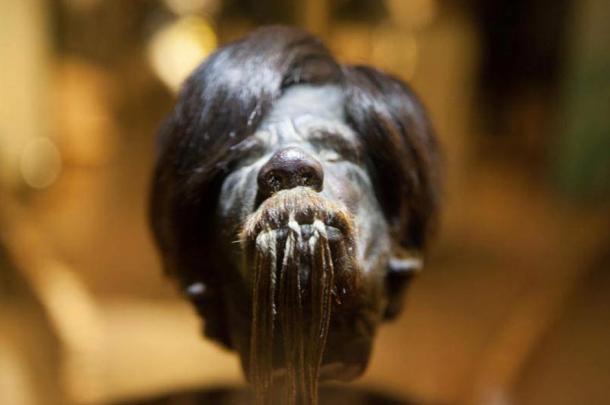
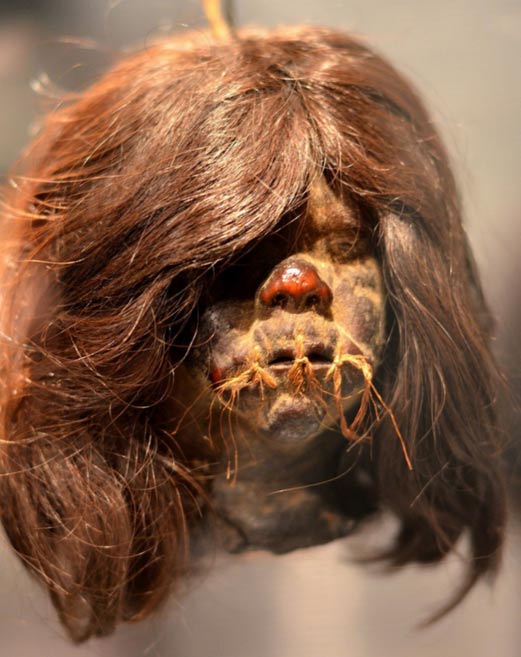
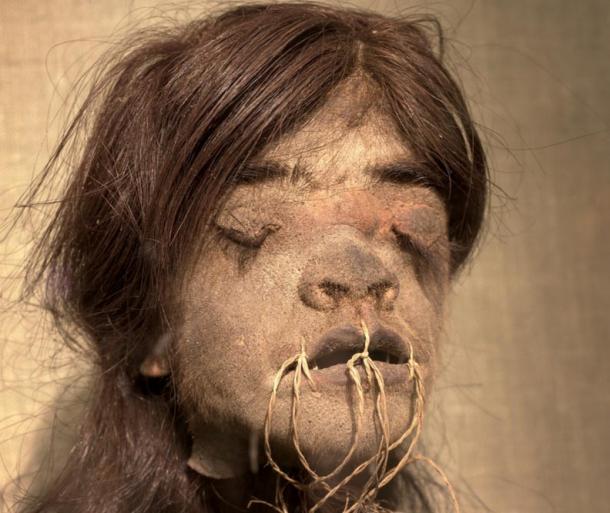
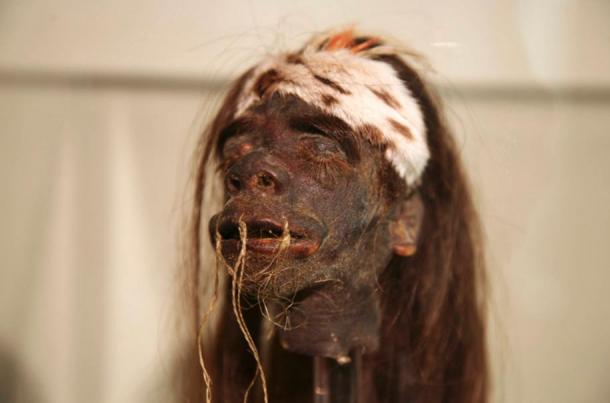
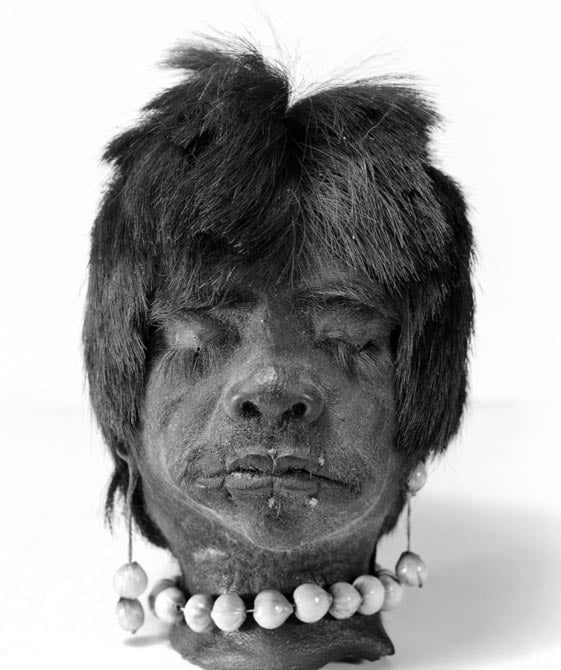
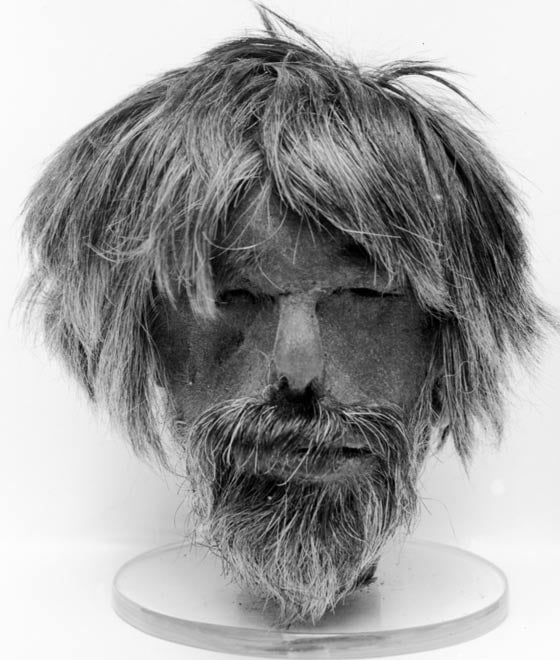
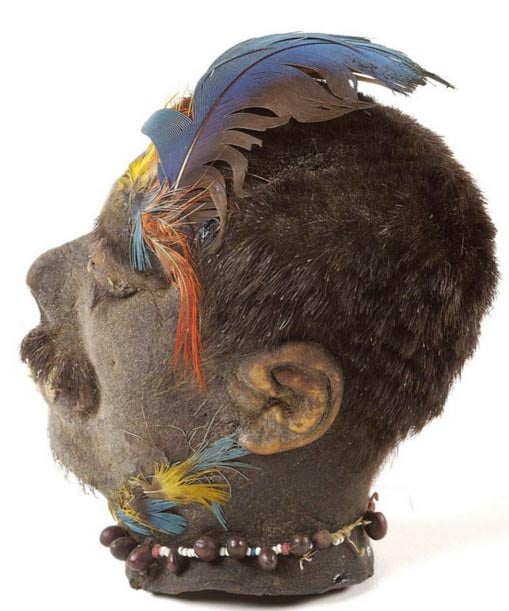
After this, the head was dried so that it would continue to shrink. Small rocks heated by a fire were used to fill the cavity of the head. Ash was then rubbed into the skin, and the head hung over a fire to allow it to dry and harden. Once this was completed, the head was attached to a cord through the scalp and worn around the warrior’s neck. The process of producing the shrunken head ended with a celebration and a feast.
Head shrinking was undertaken to appease the spirits of slain ancestors. Jivaro warriors believed that the ritual of shrinking the head paralysed the spirit of their foe and prevented it from taking revenge, and also passed the victim’s strength onto the killer.
Why are museums removing and returning shrunken heads?
In the 19th and early 20th centuries, European and American collectors paid for tsantsas, sometimes with guns, which fueled more killings and a flood of forgeries. Today many museums see the heads as human remains taken in a colonial context. Oxford’s Pitt Rivers Museum took its tsantsas off display in 2020 after finding that visitors described Shuar culture as “savage” or a “freakshow.” The museum is now working with Shuar and Achuar delegates through Universidad San Francisco de Quito. In October 2025, a Shuar delegation visited UK museums and asked for ceremonial tsantsas to be returned to Shuar territory (Museums Association). Earlier, researchers at Mercer University in Georgia authenticated a tsantsa with CT scans and handed it to Ecuador’s consulate in 2019 for repatriation.
Where can you learn about Shuar culture in Ecuador?
The best place is the Museo Pumapungo in Cuenca, a national museum whose ethnographic exhibition includes tsantsas presented in their Shuar context. Researchers have studied it as an example of intercultural education. Shuar territory is centered on Morona Santiago province, around Macas and Sucúa, where some Shuar communities run their own tourism projects. Visit through community-run programs, ask before taking photos and pay fairly for crafts.
Our Amazon trips go to Cuyabeno, in the north, where you meet a Siona community rather than the Shuar. It is still one of the best ways to spend time with an Amazonian community and learn from local guides.
Cuyabeno Jungle Tour · from USD 310 pp · 3D/2N, 4D/3N or 5D/4N · departures Mon, Tue, Thu, Fri
Three to five days of canoe trips, night walks and a visit to a Siona family who show how they make cassava bread, with a bilingual naturalist guide.
Related guides
- Cuyabeno Amazon tour from Quito
- Cuyabeno vs Yasuní: which Amazon reserve should you visit?
- The Cuyabeno Wildlife Reserve and ecotourism
- Tena, Ecuador: whitewater rafting guide
- Ingapirca and the Cañari and Inca past near Cuenca
Plan it with us
Our office is at Pedro Fermín Cevallos N6-78 y Olmedo, on the edge of Quito’s Old Town, inside Community Hostel. Drop by, message us on WhatsApp at +593 97 953 3832 or write to info@communitytravel.ec, and one of our local guides will help you plan the Amazon part of your trip with current prices and departure dates.
Frequently asked questions
Are shrunken heads real?
Yes. Tsantsas were real ceremonial objects made by the Shuar and related Jivaroan peoples of Ecuador and Peru from the heads of enemies killed in raids. However, many heads in collections are fakes made for Western buyers from monkey, sloth or goat skin or from unclaimed bodies. Scientists use CT scans and detailed checklists to tell genuine tsantsas from forgeries.
Who made shrunken heads?
The Jivaroan peoples of the Amazon foothills: the Shuar and Achuar in southeastern Ecuador, and the Awajún (Aguaruna) and Wampis (Huambisa) in northern Peru. Older texts call them ‘Jivaro,’ an outsider’s label. They are the only culture known to have practiced ritual head shrinking. Shuar communities live mainly in Morona Santiago and Zamora Chinchipe today.
Why did the Shuar shrink heads?
Ethnographic accounts describe it as a war ritual meant to trap and control the spirit of the slain enemy so it could not seek revenge. The finished head was celebrated with feasts, as the original article describes. When outsiders began paying for tsantsas, often with firearms, the trade increased raiding and encouraged forgeries, which changed the practice’s meaning.
Are shrunken heads still made in Ecuador?
No. The ceremonial practice ended during the 20th century, and Ecuador and Peru outlawed trade in tsantsas. What you see for sale today are replicas made of leather, goatskin or synthetic materials. Buying or exporting real human remains or items of Ecuadorian cultural heritage is illegal, and customs authorities will confiscate them.
Why did the Pitt Rivers Museum remove its shrunken heads?
The Oxford museum took its tsantsas off display in 2020 after an ethical review. Its research showed that the display encouraged visitors to see Shuar culture as ‘savage’ or a ‘freakshow’ instead of understanding it. The tsantsas stay in storage while the museum consults Shuar and Achuar delegates, who asked for repatriation of ceremonial tsantsas in 2025.
Where can I see a shrunken head in Ecuador?
The Museo Pumapungo in Cuenca, part of Ecuador’s national museum network, shows tsantsas in an ethnographic exhibition about the Shuar that explains their meaning. It is a far more respectful option than a curiosity shop. Pair it with a visit to Shuar community tourism projects around Macas in Morona Santiago.