
Quick answer: The Ecuadorian street foods most worth trying in Quito are empanadas de viento, carne en palito (beef skewers), cevichocho, espumilla, helado de paila, morocho, maduro con queso and fresh fruit juices. Most cost between $0.50 and $3 in 2026. The easiest places to find them are the Mercado Central, the Old Town plazas and La Ronda in the evening.
Updated September 2026 by our local guides in Quito: we added a quick table with where to find each dish in Quito and what it typically costs today, plus food-safety tips and the best tours for tasting it all with a guide.
| Dish | What it is | Where to find it in Quito | Typical price (2026) |
|---|---|---|---|
| Empanada de viento | Puffy fried cheese empanada dusted with sugar | La Ronda (evenings), Old Town cafés, street stalls | $1–2 on the street, around $3 at La Ronda |
| Empanada de morocho | Crispy corn-dough empanada filled with meat and rice | Street carts, neighborhood night markets | $0.50–1 |
| Carne en palito / pinchos | Grilled beef skewer, often with chorizo and potato | Evening grills near plazas, parks and stadiums | $1–2 |
| Cevichocho | Lupini beans with tomato-onion “ceviche”, corn nuts and chifles | Street carts, Mercado Central | $1.50–2.50 |
| Espumilla | Guava or berry meringue cream in a cone | Old Town plazas, El Ejido Park, outside churches | $0.50–1 |
| Helado de paila | Fruit sorbet hand-spun in a copper pan over ice | Heladería San Agustín (Calle Guayaquil, Old Town), ice cream shops | $2–3 |
| Salchipapa | Fries topped with sliced hot dog and sauces | Snack stands all over the city, busiest at night | $1.50–3 |
| Morocho | Warm spiced milk-and-corn drink | Old Town cafés and market stalls, mornings and evenings | $1–1.50 |
| Maduro con queso | Grilled or baked ripe plantain with cheese | Street grills, markets | $1–2 |
| Fresh juice (jugo) | Blended tropical fruit: mora, naranjilla, tomate de árbol | Mercado Central juice stalls | $1.50–2.50 |
| Canelazo | Hot cinnamon and naranjilla drink, with or without aguardiente | La Ronda at night | $3–4 |
Local tip: Street vendors rarely have change for a $20 bill. Break larger notes at a supermarket or pharmacy before a food walk, and keep $1 coins handy.
Taken from: Olaylita.com
This is my top 15 list of must try street foods in Ecuador. There are some Ecuadorian street foods that you will find in every region (Coast, Highlands, Amazon, Islands) of Ecuador and almost every city or small town. There are also some street foods that are very regional and unique to specific cities. There are many items that are not on this list, so it will be no surprise if I get comments about foods I missed. In fact, I’m sure that right after I post this, I’ll think of something that should have been on the list. I included some of the most popular and easier to find dishes, but left off some of the dishes that are extremely city or holiday specific, and harder to find. I also left out foods that you will find at Ecuadorian bakeries, but are also occasionally sold by street vendors (rosquitas, roscones, bizcochuelos, quesadillas quitenas, suspiros, alfajores, mazapanes, and others). I will include those in a post later on about Ecuadorian baked treats.
One of the best places to find delicious street food is at ferias or local fairs and fiestas (local festivities). Other popular places include markets, main plazas on weekends, beach towns, bus stops, and at the exits of local schools. There are some traditional dishes that are popular at markets that I didn’t include in this list, like hornado, fritada or llapingachos in the Highlands or encebollado fish soup in the Coast. This list of popular Ecuadorian street food is mainly for foods that are very portable and can be eaten while walking in the street or around the fair – the others usually require you to sit down. Keep in mind that not all street food is created equal and if you are concerned with both the quality and health of eating street food, then it’s best to get recommendations from locals on which are good (and safe) places to try these dishes. I have yet to get sick from eating Ecuadorian street food (knock on wood), but I was born/grew up there (and therefore have some sort of immunity), but when I’m visiting a town I don’t well, I usually ask friends or locals (ask local store or tienda owners, someone who works at the hotel you’re staying, or even the taxi driver) for places that are good.
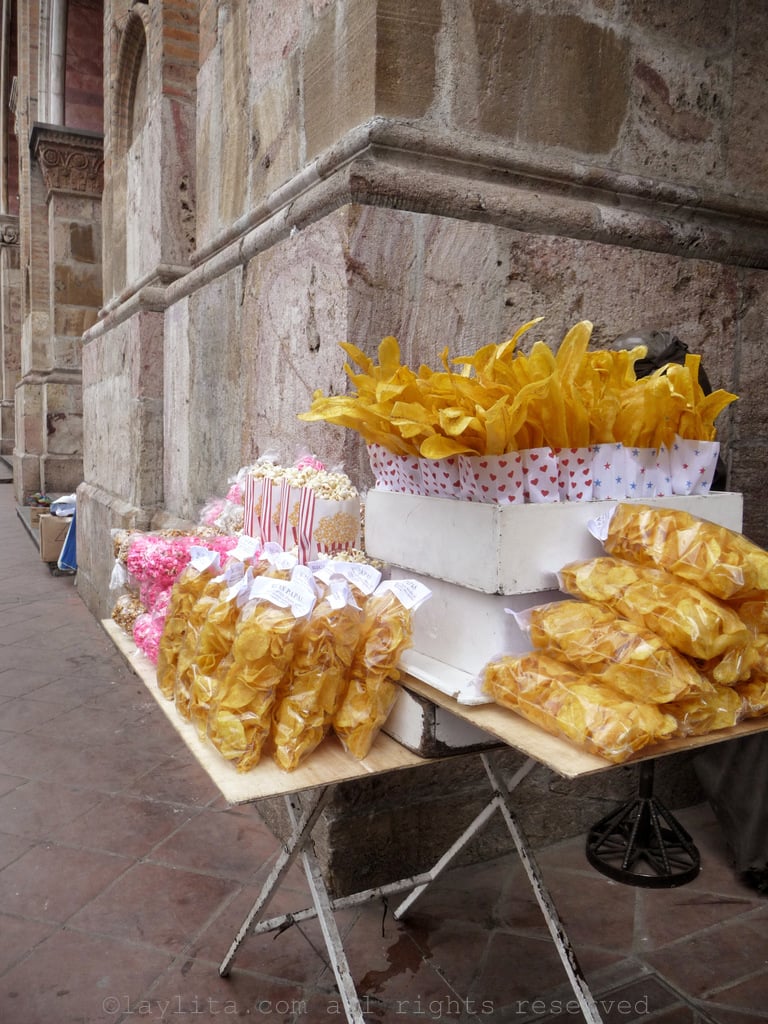
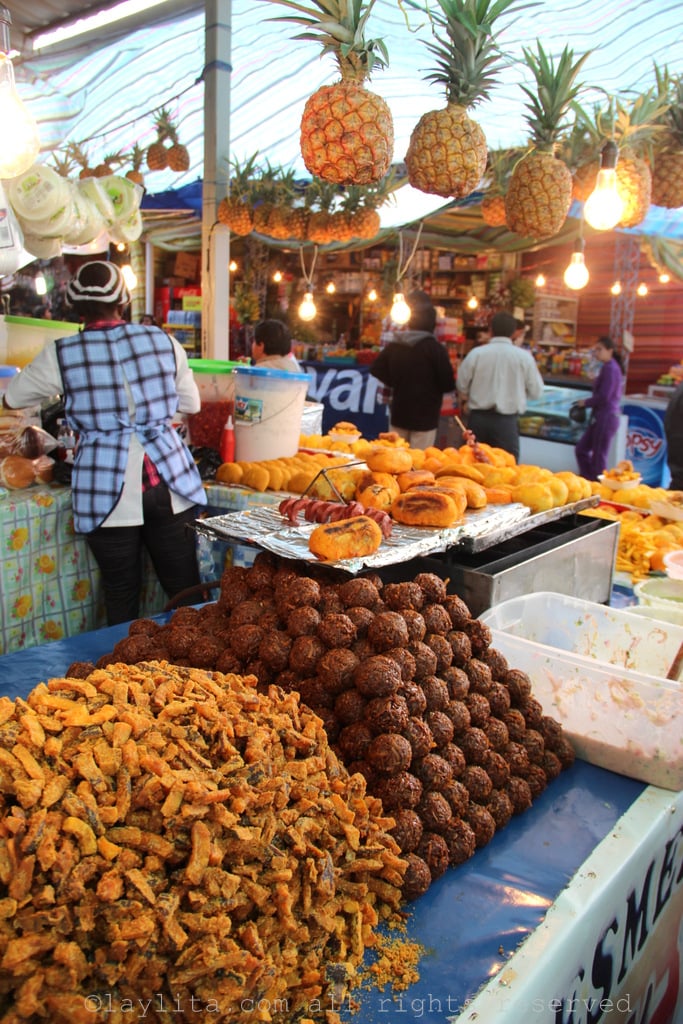
In no particular order, here are the top 15 Ecuadorian street foods that I recommend you try when you visit our beautiful country:
2026 update: Our rule for eating street food in Quito is simple: pick busy stalls with a line of locals, choose food that is cooked hot in front of you, and go easy on raw toppings and ice during your first days. Tap water in Quito is treated, but most visitors stick to bottled or filtered water. If you want to try several dishes safely in one go, our guides take you to trusted stalls on the Free Walking Tour (market and chocolate tasting included).
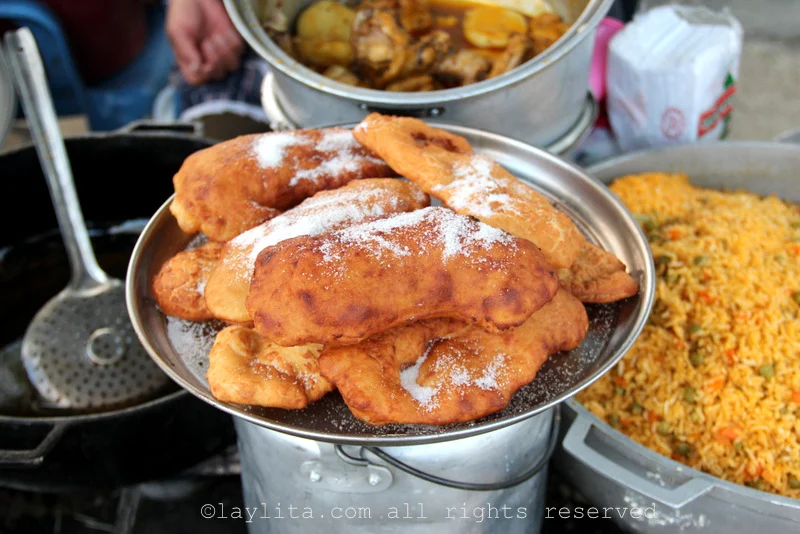
Empanadas: We love empanadas in Ecuador! The most common ones that you will find in the streets, especially in the Sierra or Highlands, are called empanadas de viento, these are fluffy fried cheese empanadas that are sprinkled with sugar. Other popular street empanadas are empanadas de morocho, made with thin corn dough and stuffed with cheese or meat, and the amazing empanadas de verde made with green plantain dough and also with fillings of cheese, shrimp, chicken, or meat picadillo.
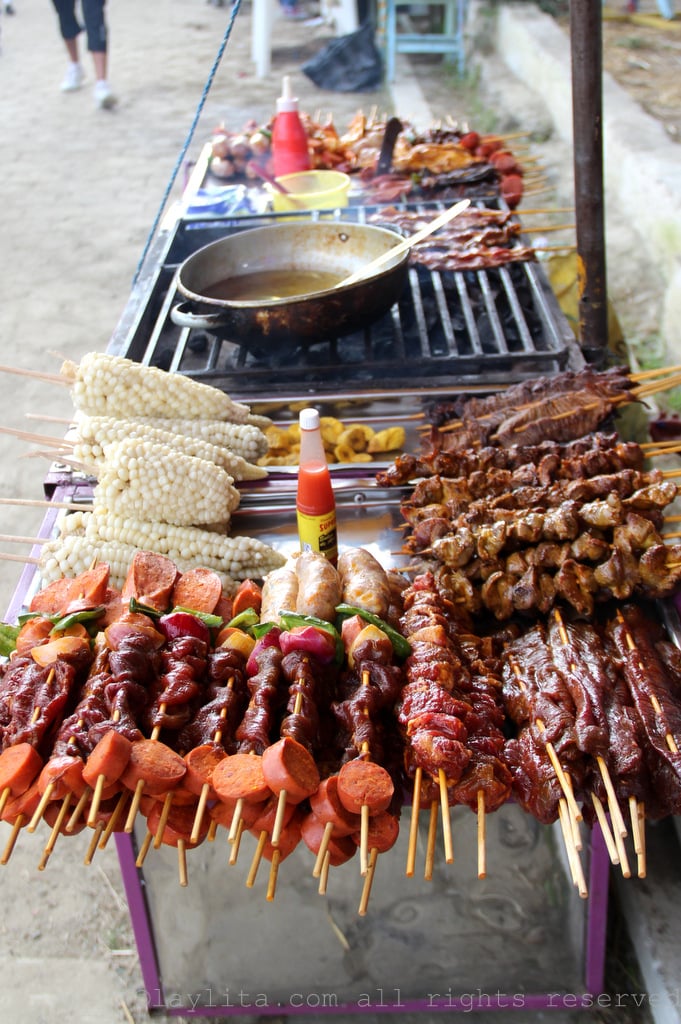
Carne en palito, chuzos or pinchos: These thin beef skewers or meat on a stick are very popular at fairs and local fiestas. They are sometimes served with a piece of chorizo and/or ripe plantain on the tip. A bonus, most carts selling carne en palito also sell grilled corn on the cob or choclos asados. Both the meat and corn are usually served drizzled with a delicious cilantro queso fresco sauce.
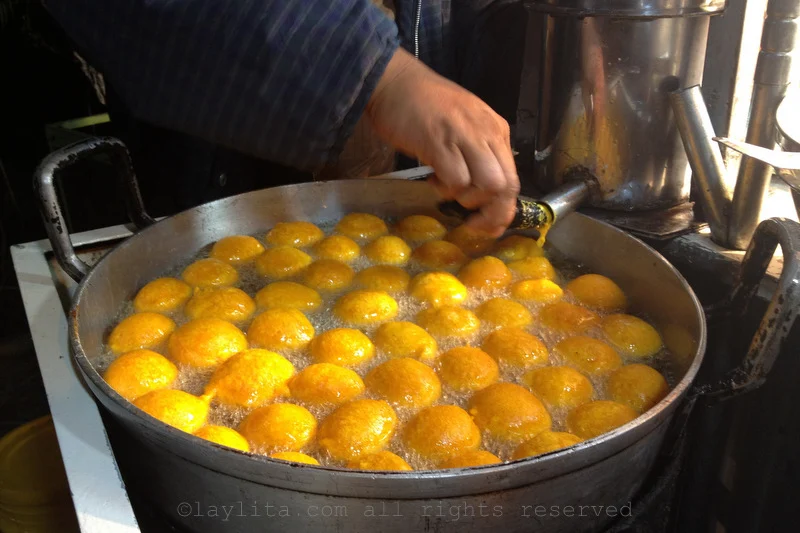
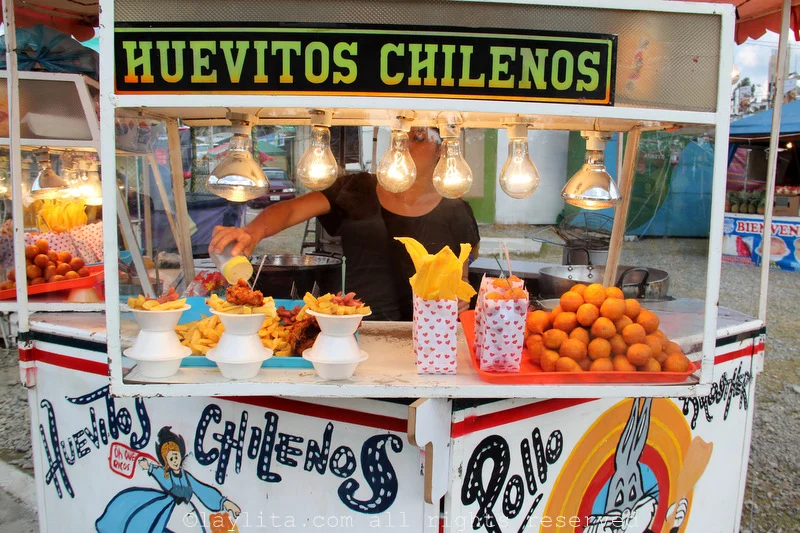
Huevitos chilenos: I think of these as Ecuadorian donut holes, except better and more addictive than the traditional American donut holes. These can almost always be found at ferias/fairs and local street parties.
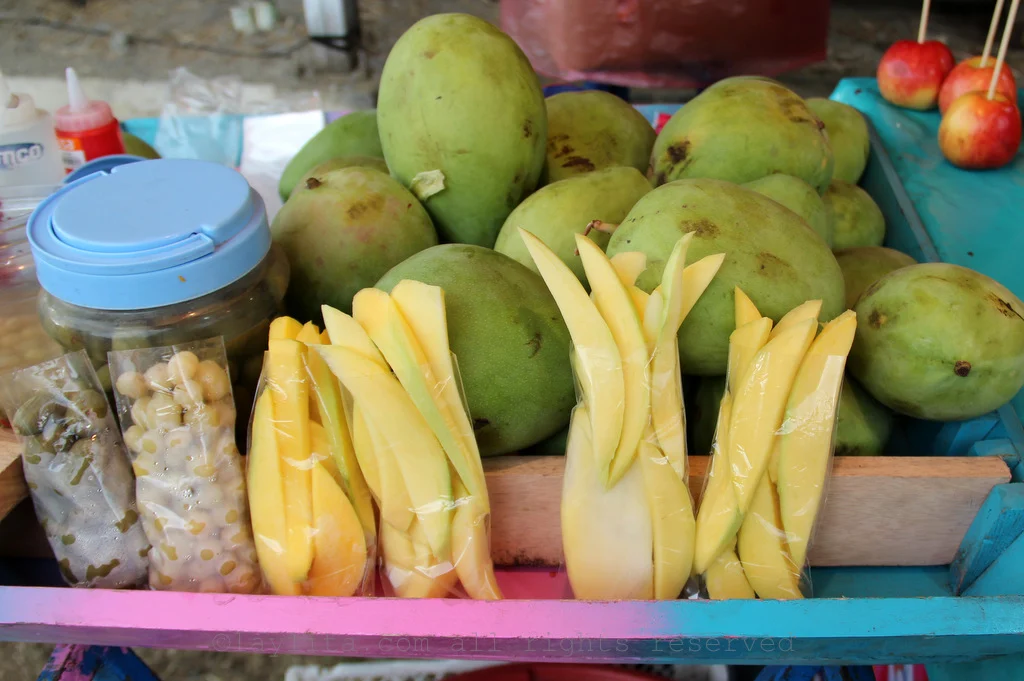
Mangos/grosellas/ovos or ciruelas con sal or pretty much anything green and sour with salt: I don’t know a single Ecuadorian who doesn’t experience a mouthwatering sensation at the mention of mangos or grosellas con sal. Grosellas are also called Otaheite gooseberry and is small green cherry like fruit that is very acid and tart – the perfect combination with salt. Ovos (name in the Coast) or ciruelas/siriguela (name in the Highlands) look like large olives and are also known as jocotes in Mexico/Central America – they are delicious and sweet when ripe, but also very delicious when they are green.
Espumillas: Don’t let these meringue cream desserts fool you, they are served in ice cream cones, but aren’t cold. The most popular flavor is guava (called guayaba in Spanish), but you can also find mora (blackberry), strawberry, and other flavors.

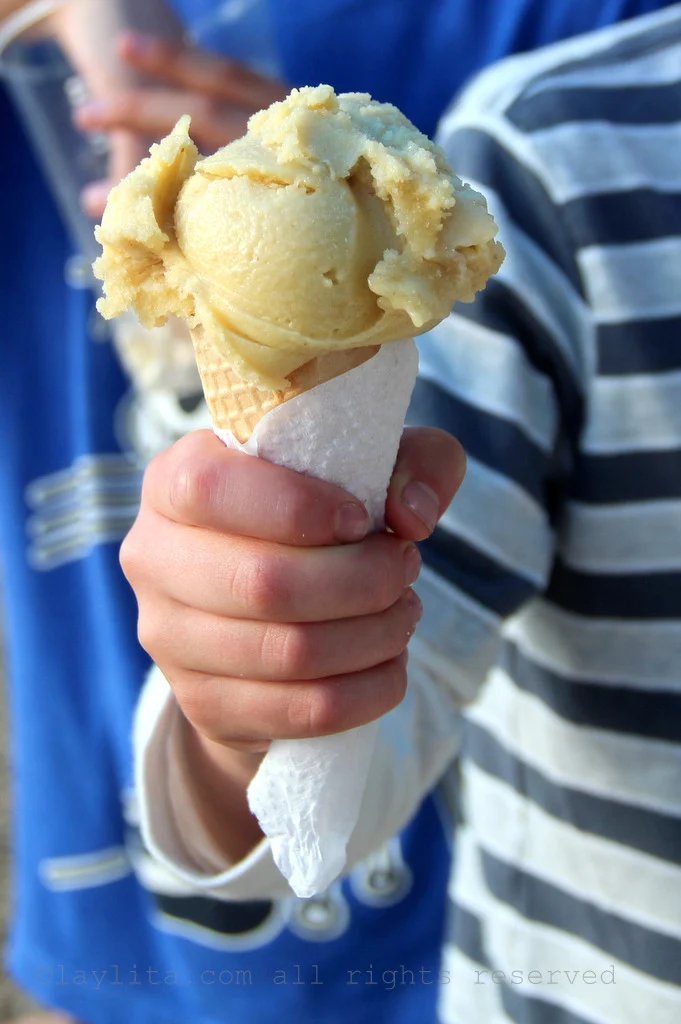
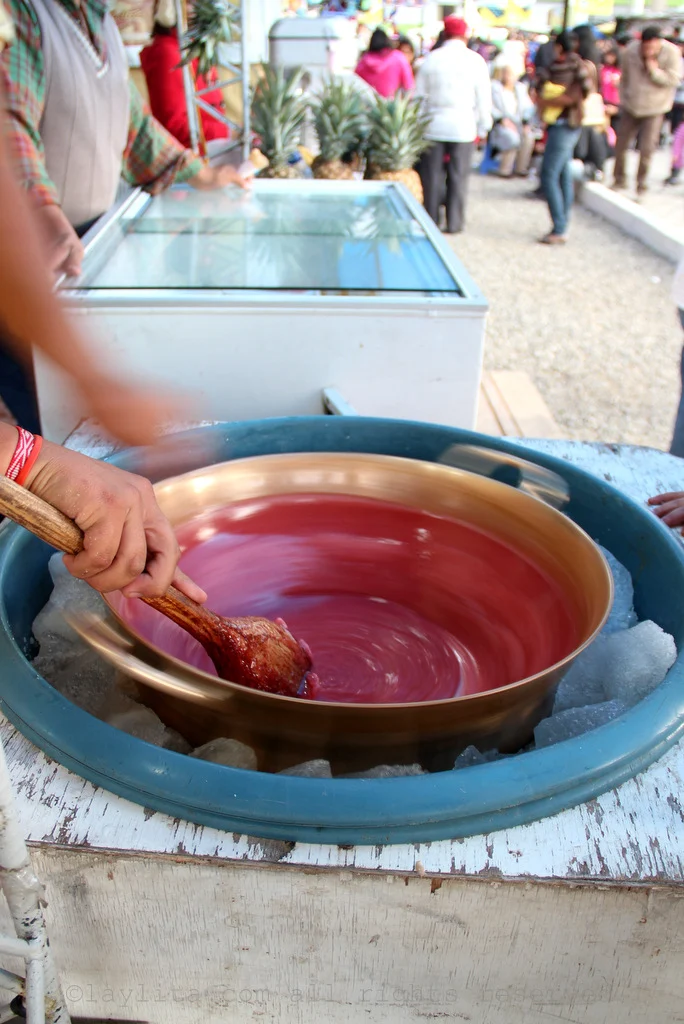
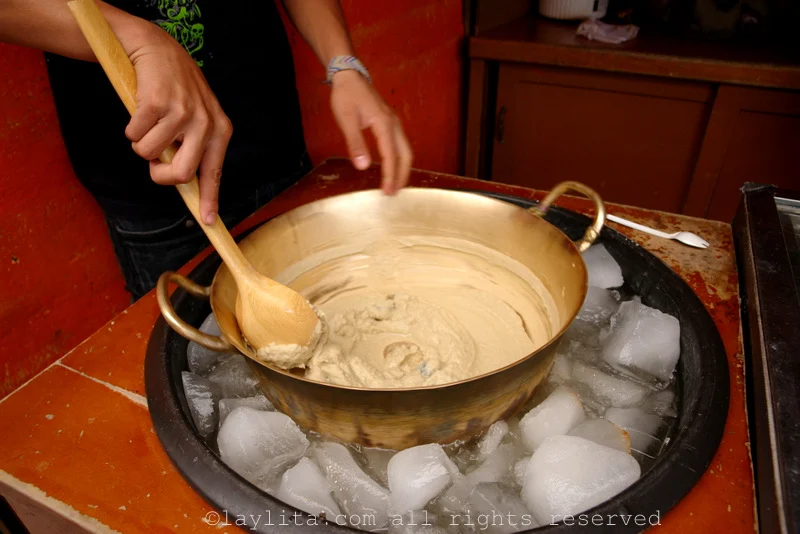
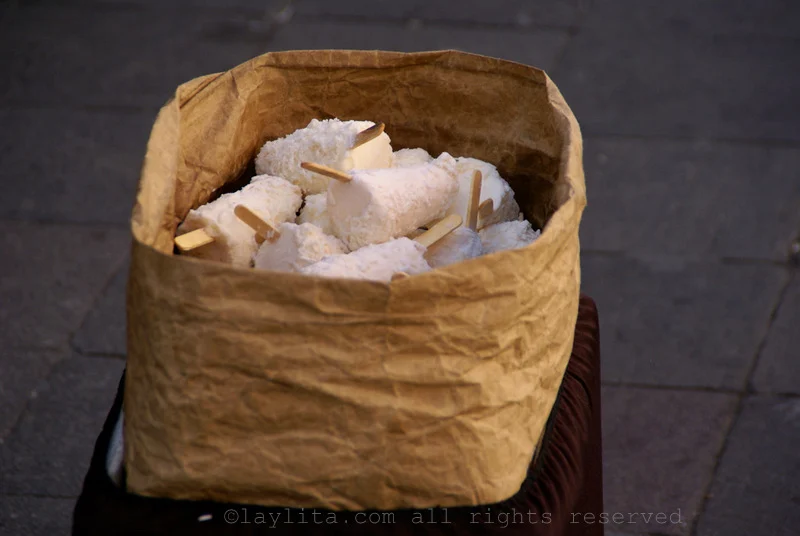
Helados or ice cream: We also love ice cream in Ecuador, from the famous helados de paila or fruit sorbets made by hand in large copper bowls, to the more humble helado de palo or basic popsicle that almost every little tienda has for sale. Some of my favorite helado de paila flavors are naranjilla (also known as lulo), mora or blackberry, maracuya or passion fruit, taxo (known as banana passion fruit), and ron pasas (rum raisin). My favorite helados de palo flavors are the basic helado de leche con canela o cinnamon milk, mixed fruit salad, coconut, and helados de gelatina or gelatin ones. I also highly recommend helados de Salcedo, a layered popsicle of multiple flavors including cream, naranjilla, mora, taxo, and more.
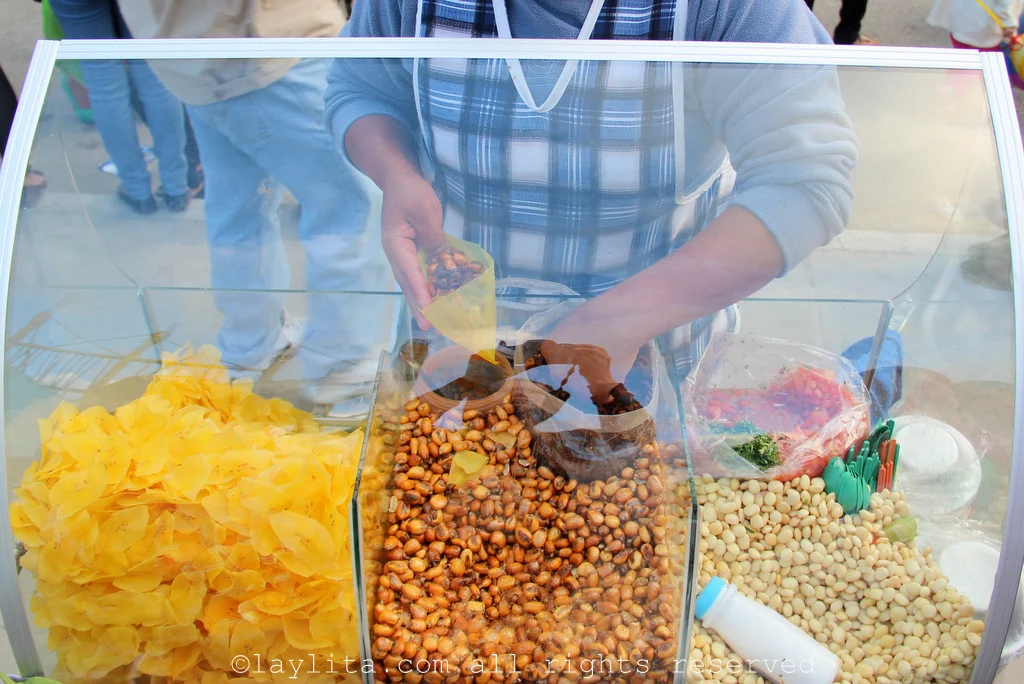
Chochos, chifles and tostado: Chochos (lupini beans), chifles (thin green plantain chips) and tostado (Andean corn nuts), and maybe popcorn, are the Ecuadorian equivalent of the chips and salsa that you automatically served at most Mexican and Tex-Mex restaurants in the US. And our hot sauce equivalent is either aji de tomate de arbol, a salsa made with tree tomatoes or tamarillos, or tomato and onion curtido salsa. This trifecta of snacks is also a very popular street food in the Highlands known as cevichocho or ceviche de chochos. The street vendors will mix the chocho beans in small plastic bowl/cup/bag, with the curtido salsa, and some lime juice, then add the the crunch tostado corn nuts and chifles on top. You can have aji or hot sauce added if you want, as well as other condiments like ketchup.
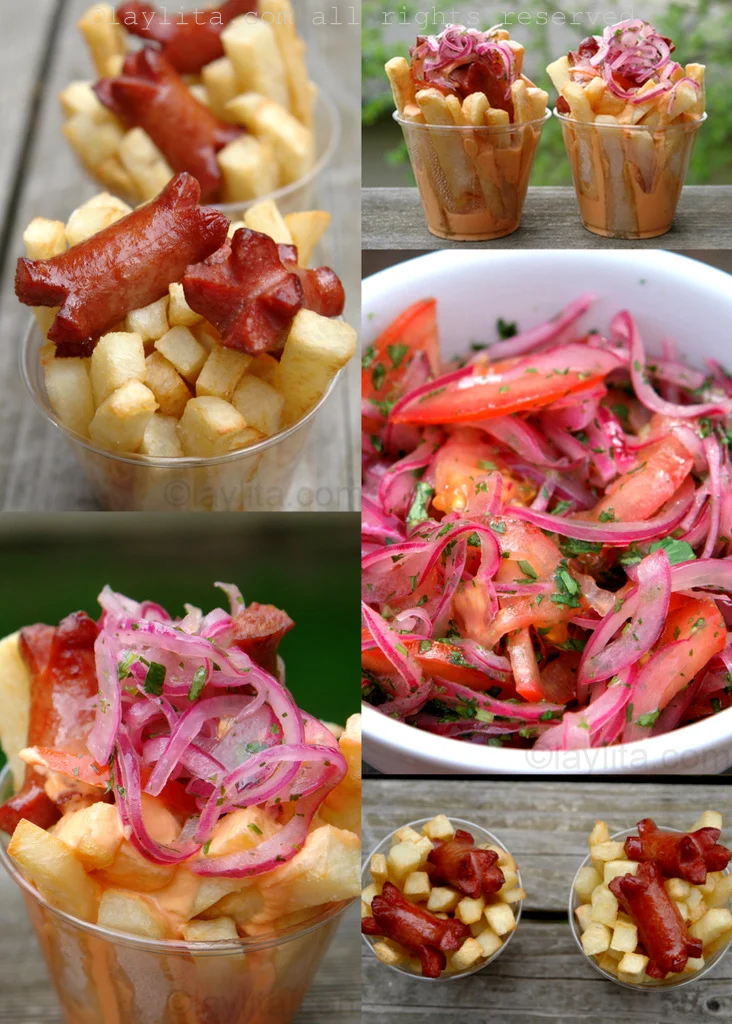
Salchipapas: Salchipapas are my Ecuadorian street food/fast food weakness, it’s basically french fries – served in a bowl or plastic cup (or even plastic bag sometimes)- topped with small bite size pieces of hot dogs, salsa rosada (which is mayo + ketchup or homemade mayonnaise with tomatoes and spices), tomato and onion curtido salsa, and sometimes also tree tomato or tamarillo aji hot sauce. These are not made equally and you really have to know where to get the best ones based on where you live, or ask the locals because chances are they know exactly where to find them. In Loja, try Soda Bar, and in Vilcabamba try the ones that they on the main plaza on weekends.
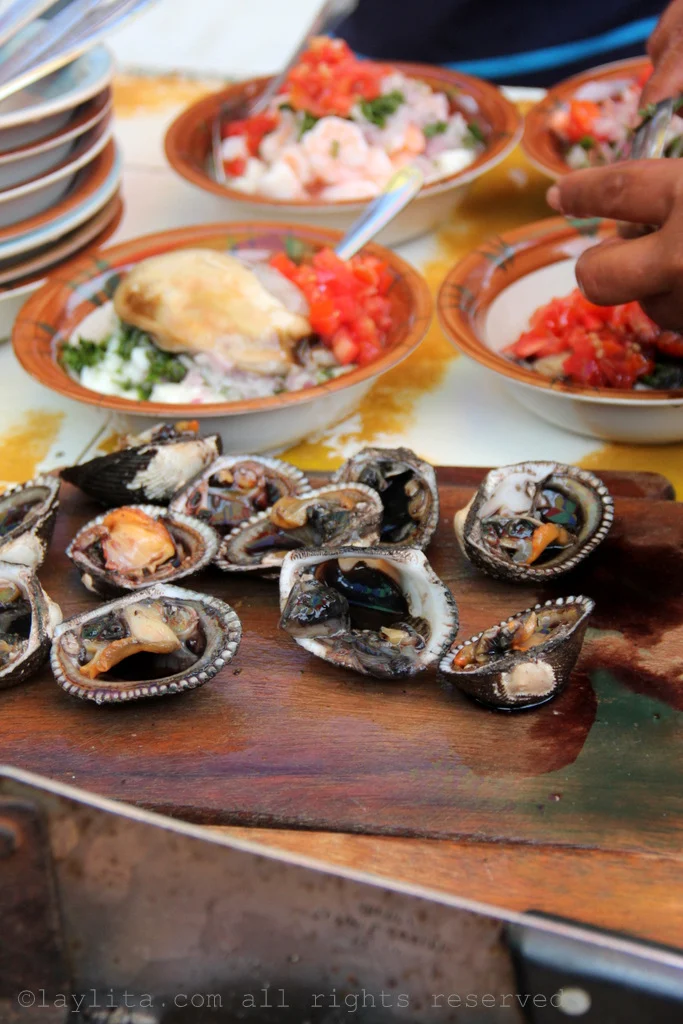
Ceviches de carreta at the beach: I love love love love ceviche and some of the best ones I’ve had are at the beach. They have these little ceviche carts and they will the ceviche for you fresh on the spot, of course it depends on the seafood – things like shrimp/octopus are already cooked and usually the fish ones are already marinated/cooked in lime juice. But the ones made with conchas negras (black clams/conch) and oysters are opened and chopped in front of you.
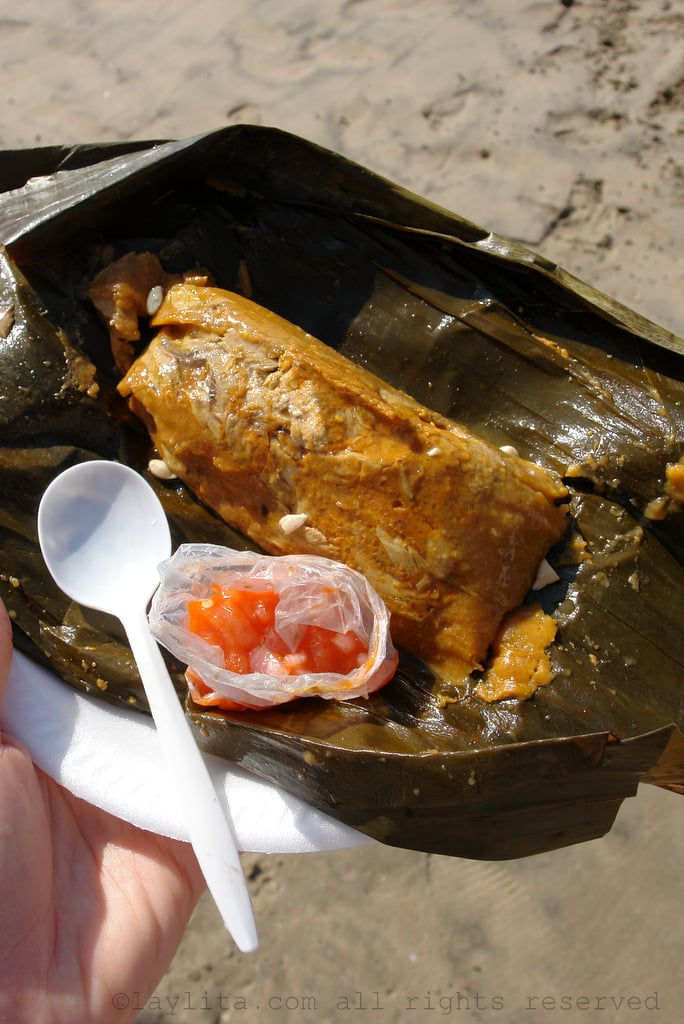
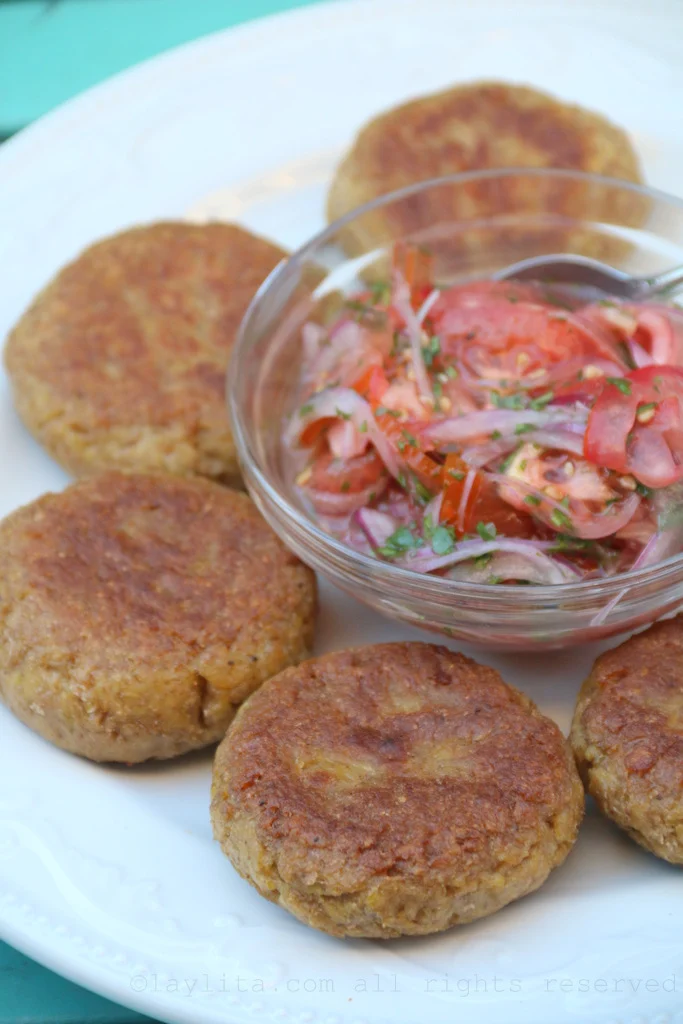
Corviche/ Bollos de pescado /Tortillas de verde or green plantain deliciousness: A corviche is a cross between a fried dumpling, a fritter, and fish cake. The dough is made from green plantains and it has a fish filling –usually corvina fish from which it gets its name. Corviches are usually sold at the beach and are especially popular in the coastal province of Manabi. They are served with tomato and onion curtido salsa. Bollos de pescado are another green plantain, peanut, and fish specialty from the coast, the best way to describe bollos is that they are like tamales made with green plantain dough, filled with fish – usually albacore tuna, wrapped in banana leaves, and steamed. They are so delicious and are served with slices of lime, lime pickled onions or curtido, and aji hot sauce. Tortillas de verde are thick green plantain patties stuffed with cheese.
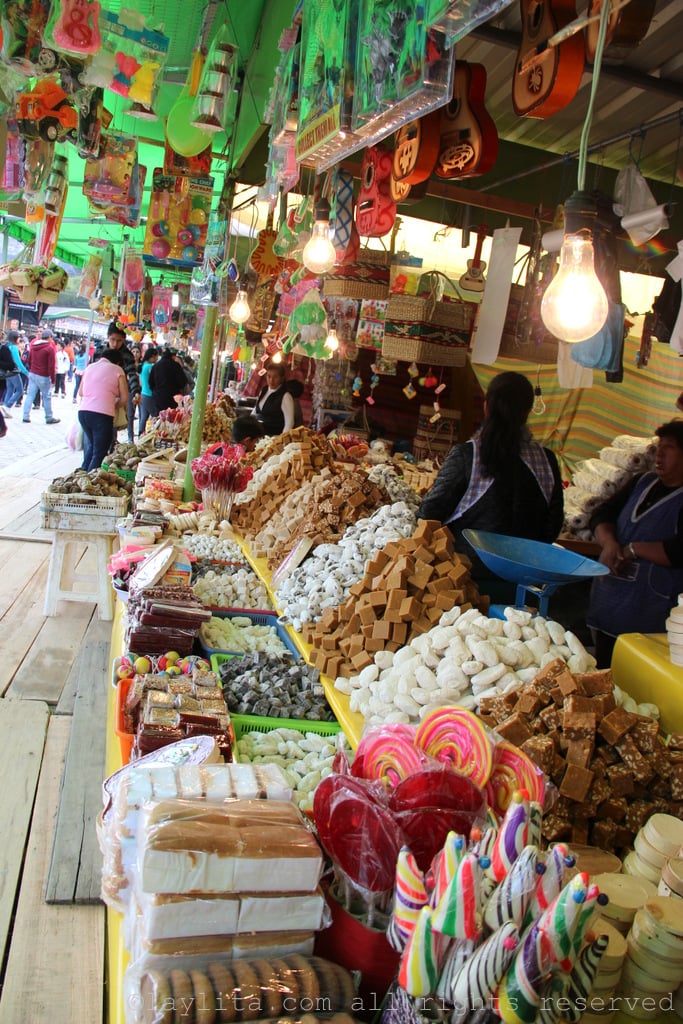
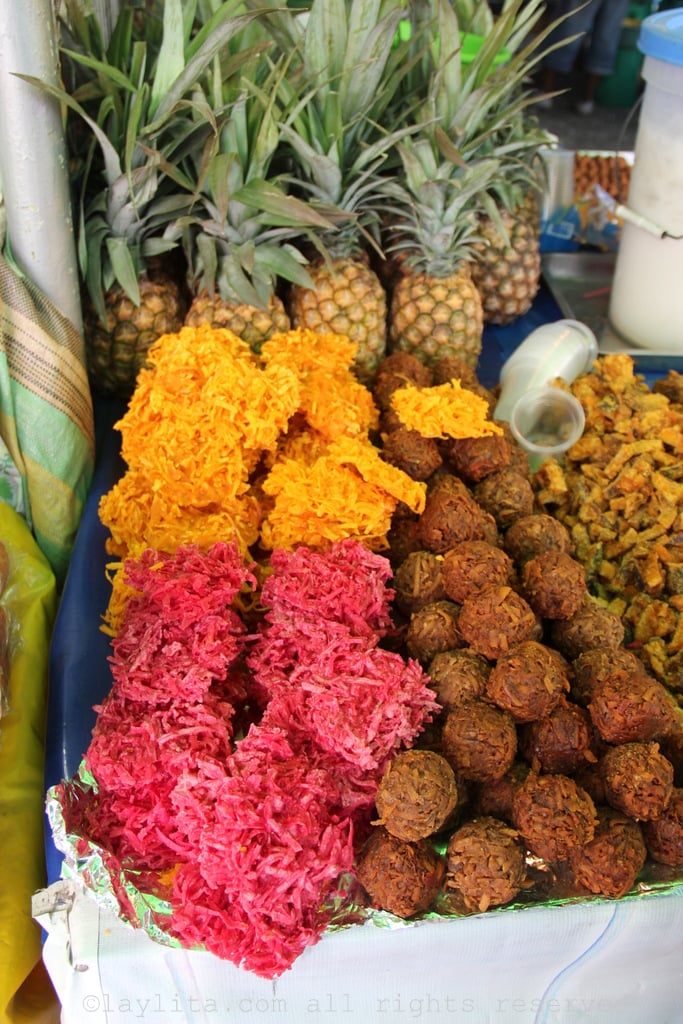
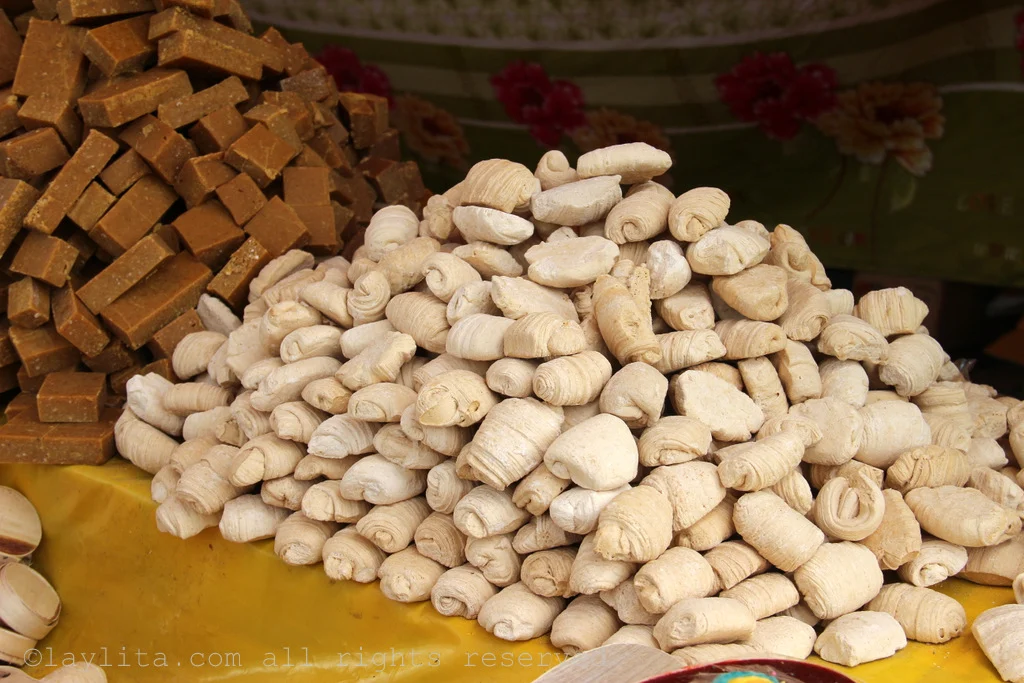
Cocadas/bocadillos/alfeñiques/ dulce de guayaba/etc or the sweet treats: Ecuadorians love sweets and there is no shortage of local sweet treats for sale at markets and on street corners. Some of my personal favorites include cocadas, a caramelized coconut macaroon candy, bocadillos o sweet squares of panela or piloncillo melted with peanuts, alfeñiques – also called melcochas – are sticky (or crunchy) toffee like candies made with panela/piloncillo, and dulce de guayaba or guava paste candies.
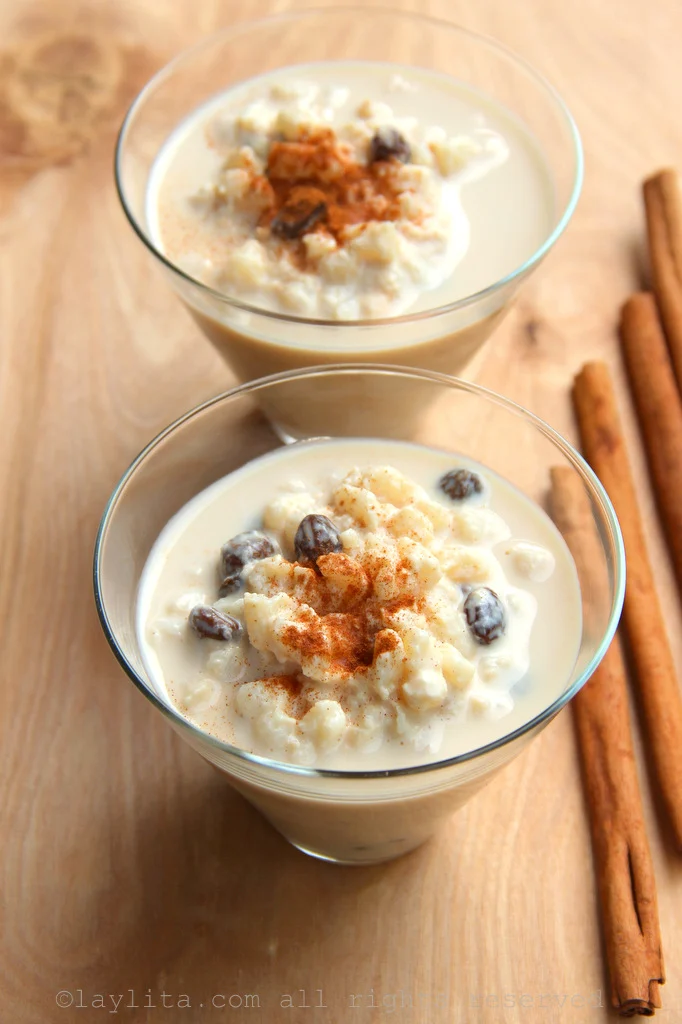
Morocho: This is a warm thick sweet drink or drinkable spiced corn pudding made with morocho cracked corn, milk, cinnamon, sugar and raisins. It’s one of ultimate comforting warm drinks and is very popular in the Andes or Highlands region.
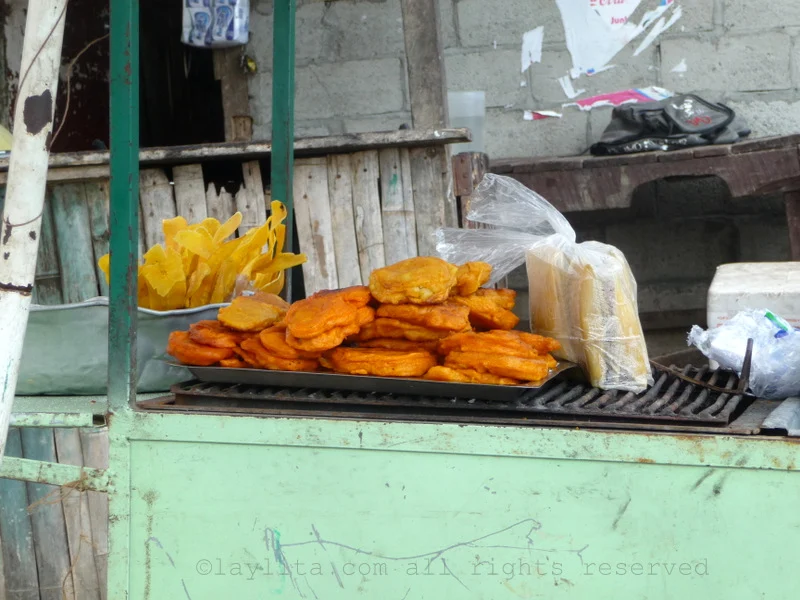
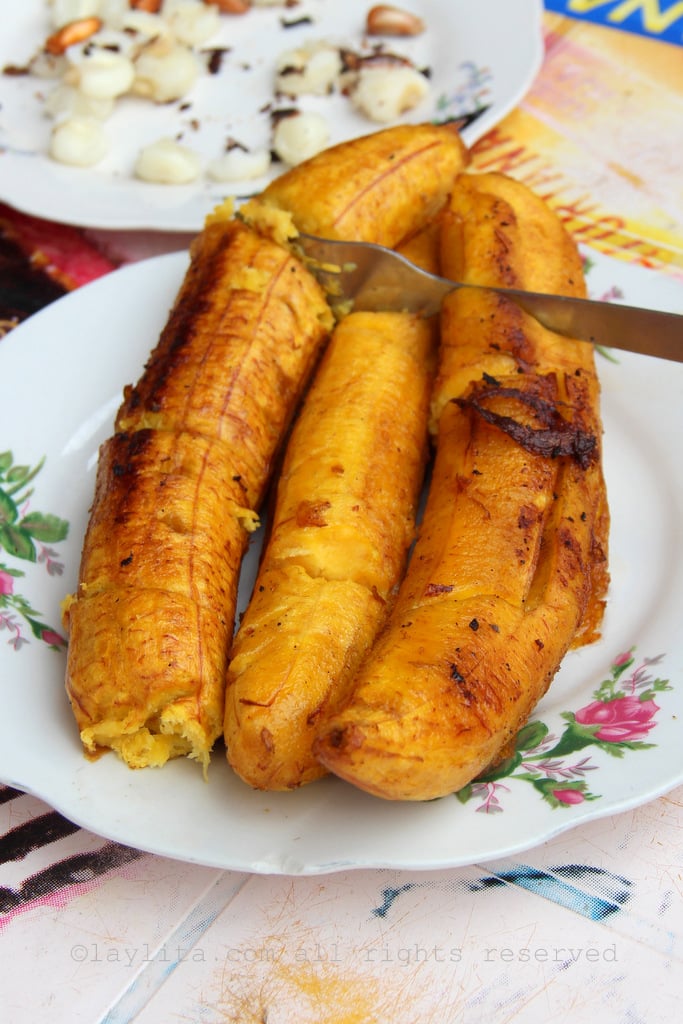
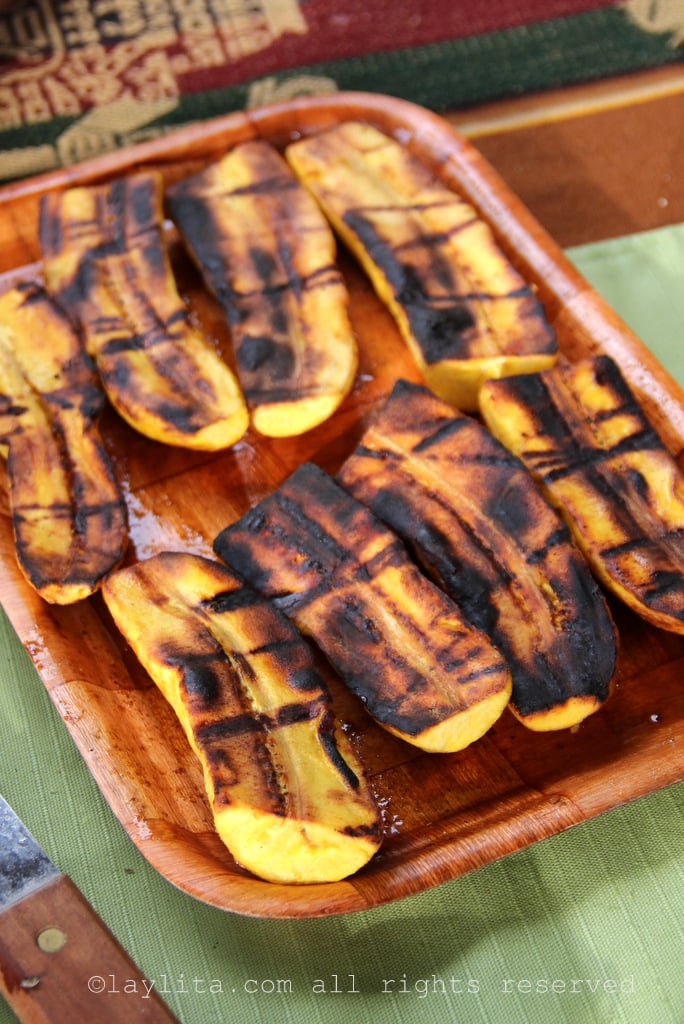
Emborrajados/lampreados/platanos maduros asados or ripe plantain yuminess: Emborrajados are fried ripe plantain slices (and sometimes ripe bananas) that are flattened, add a slice of cheese in between a couple of these flattened ripe plantins, dip this ripe plantains sandwich in batter, and deep fry it. Maduro lampreado, also known as gato encerrado, are very similar, except that the plantains are kept whole and sliced lengthwise in the middle, stuffed with cheese, dipped in batter and fried. Maduros asados are grilled or roasted plantains (or also fried), this is mainly ripe plantains but sometimes green ones also, roasted on a small grill, and usually served with a slice of cheese.
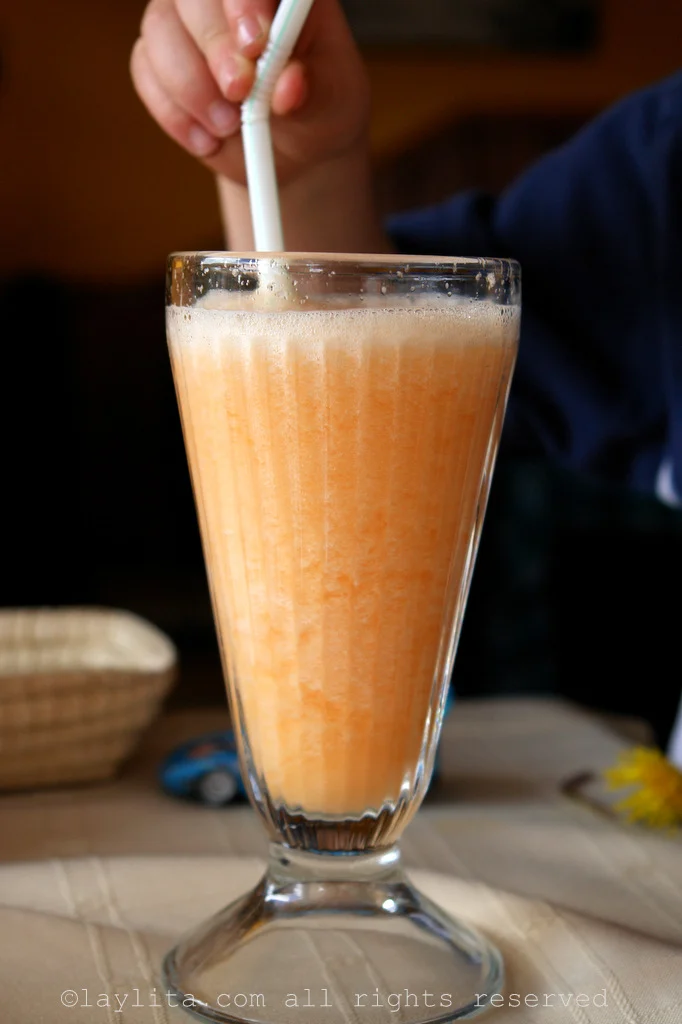
Jugos de fruta, agua de coco & other drinks: Freshly made fruit juices and other drinks are very popular in Ecuador and you will find juice places on the street, at the markets, and also carts selling drinks like refrescos o frescos (watered down fruit juices), chicha de coco, and on the beach you will find vendors that sell coconut water, juices, and even cocktails. You will also find people selling drinks and even fresh fruit (usually peeled and cut) at bus stops, police controls, and tolls. In my hometown of Loja, you will also find ladies selling horchata lojana, a sweet herbal floral tea drink (served either hot or cold), it is delicious and you can have the extra healthy version than includes blended aloe vera (not my favorite personally due to the texture). Another popular drink, in small towns and on weekends, is guarapo or pure sugar cane juice.
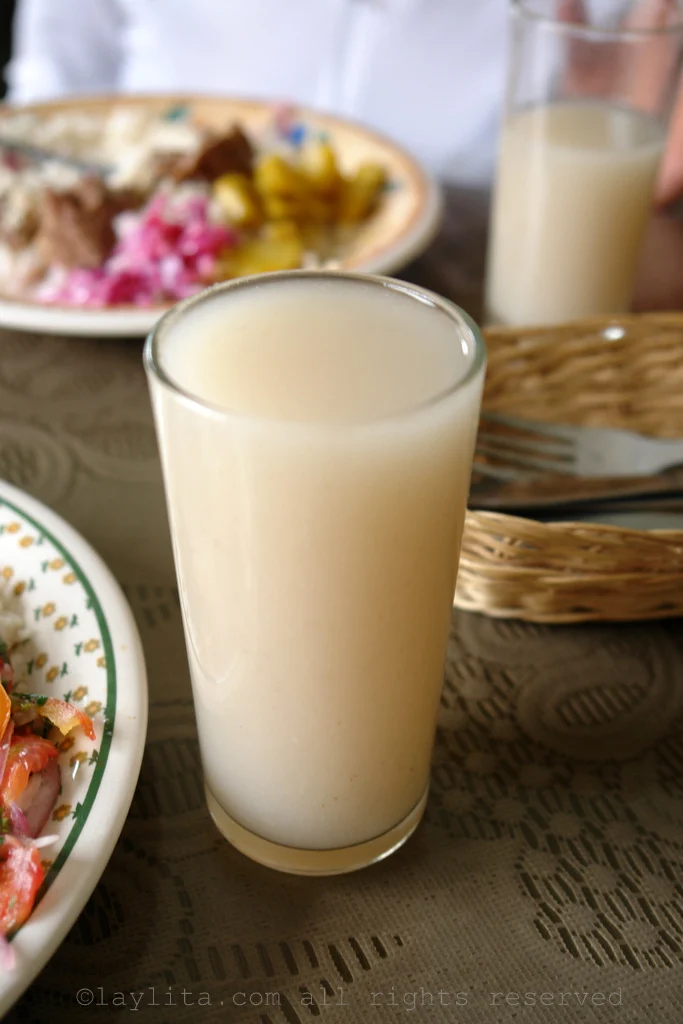
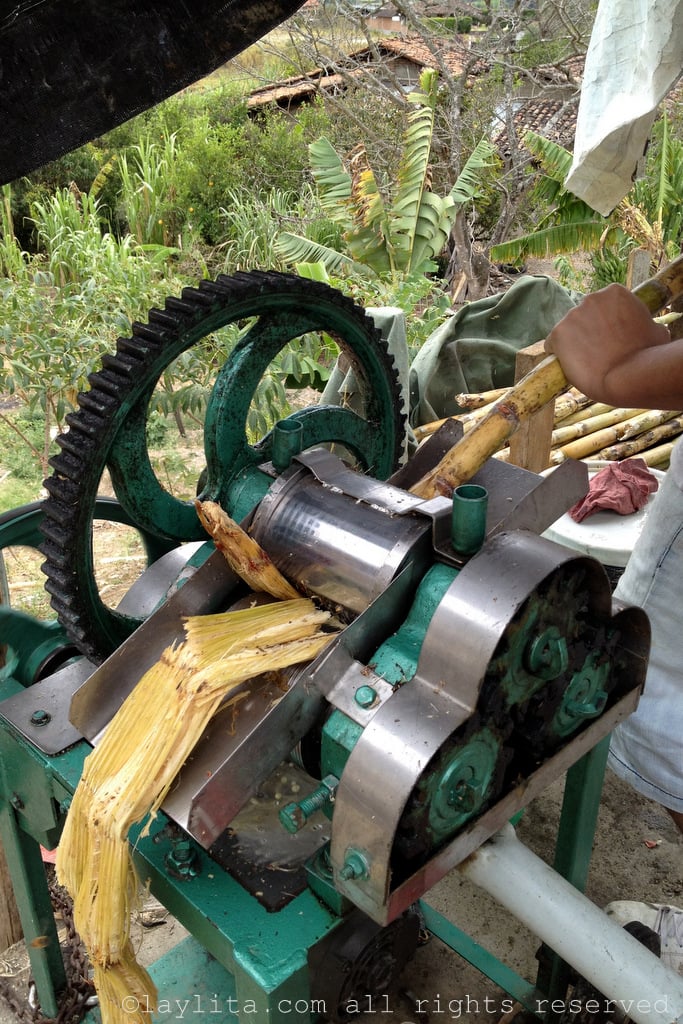
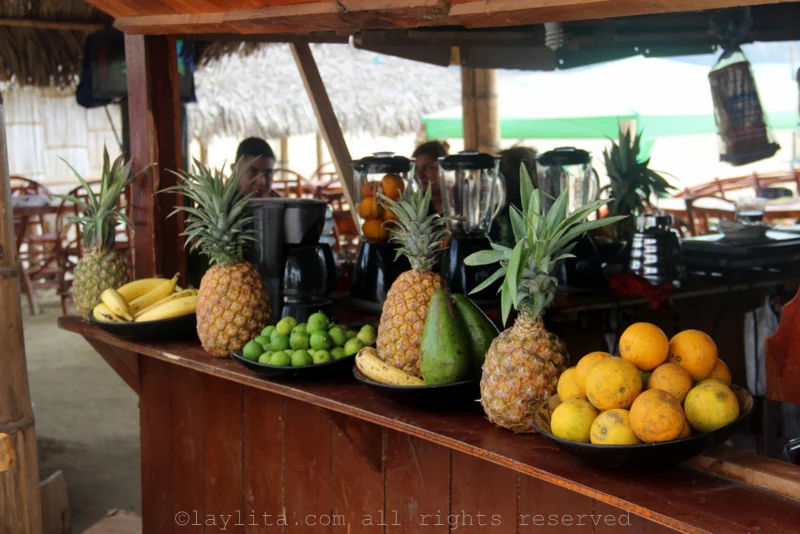
Other street food dishes: Ok, so by the time I got to the end I realized there were so many things I was missing, so this last one is a quick list of other delicious Ecuadorian street food. Don’t miss papas rellenas or stuffed potato dumplings, croquetas de choclo or fried fresh corn cakes, chicharrones or deep fried pork belly, cascaritas/cueritos which are crispy fried or roasted pork skins, habas con choclo y queso which is a yummy combination of boiled corn, fava beans and cheese, sanduches de hornado/pernil or roasted pork sandwiches, higos con queso or candied figs with fresh cheese, pristiños and buñuelos or fried pastries with panela syrup during Christmas season, colada morada and guaguas de pan during Difuntos or Day of the Deceased, hot dogs de la Gonzalez Suarez ,muchines de yuca or stuffed yuca or cheese stuffed yuca croquettes/dumplings, bonitisimas corn patties, and all the delicious corn/banana or achira (arrowroot) wrapped goodies like quimbolitos, humitas, hayacas, tamales. Other drinks to try include rosero quiteño (in Quito), a fruity corn drink, and canelazo/naranjillazo hot spiked (or not) drinks in the Highlands, as well as local Pilsener and Club beer, Guitig mineral water, Tropical and Fioravanti Ecuadorian sodas.
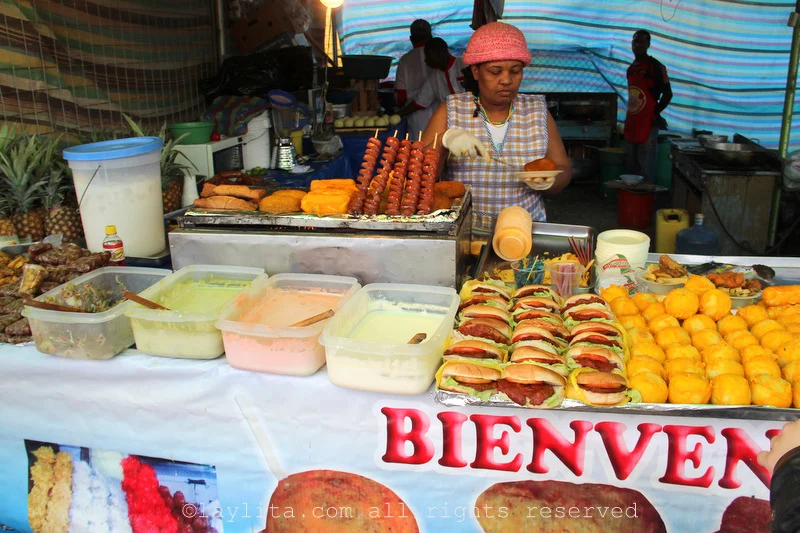
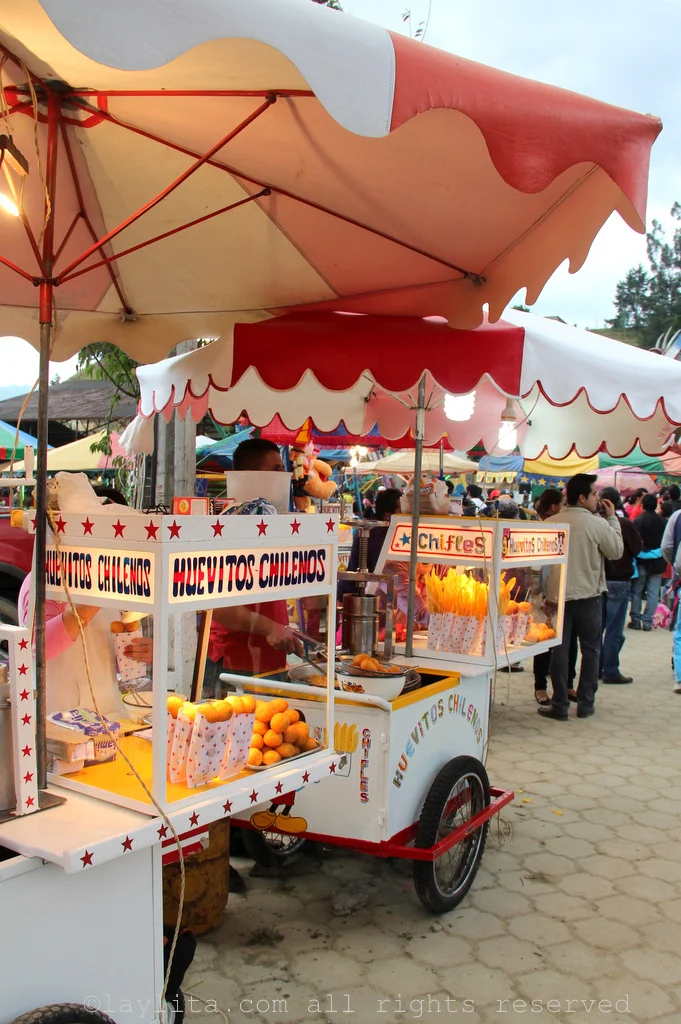
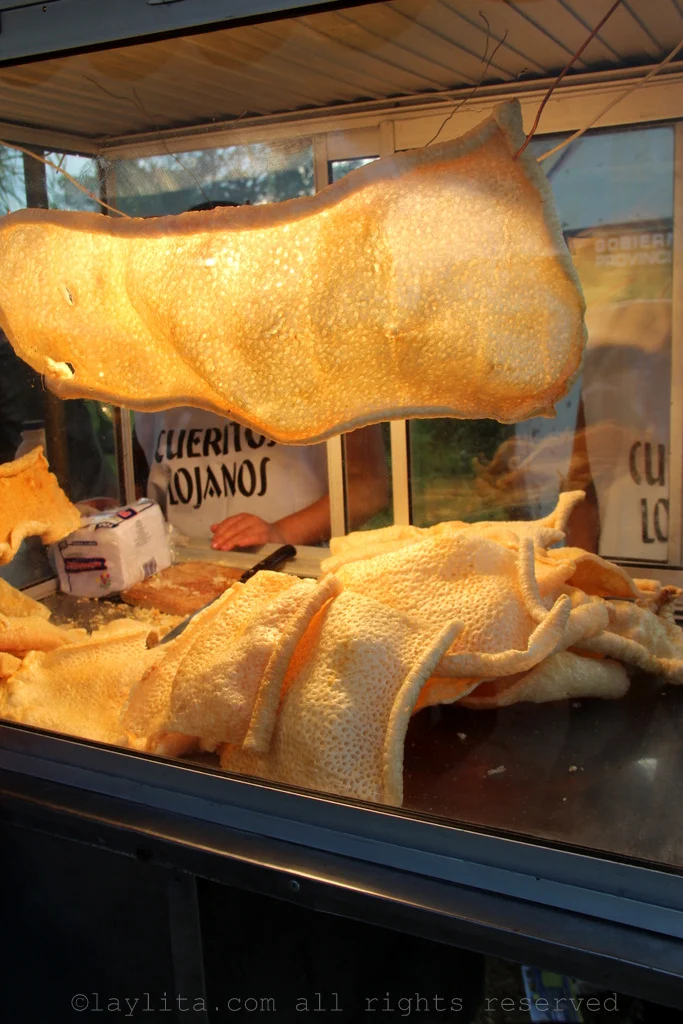
- See more : https://www.laylita.com/travel/270/15-ecuadorian-street-foods-must-try.
Want to taste Quito with a local? Our free walking tour visits the Central Market and includes a chocolate tasting.
Where can you try Ecuadorian street food in Quito with a local guide?
The easiest place to start is the Mercado Central in the Old Town, where juice stalls, locro de papa, corvina and hornado are all under one roof and a full plate costs roughly $3–9. In the evening, walk down La Ronda for empanadas de viento and canelazo, which gets liveliest on Friday and Saturday nights.
If you are short on time or nervous about where to eat, join our Free Walking Tour: it stops inside a traditional market, and our guides will point you to the stalls we eat at ourselves.
Free Walking Tour Quito · Free (tip-based) · 3 hours · Mon–Sat 10:30 & 14:30, Sun 10:30
Colonial plazas and churches, a stop inside a traditional market and a chocolate tasting. Meet 10 minutes early at Pedro Fermín Cevallos N6-78 y Olmedo.
Related guides
- Quito’s Mercado Central: what to eat, prices and hours
- Things to do in Quito
- One perfect day in Quito’s Old Town
- How much a trip to Ecuador costs in 2026
- Is Ecuador safe to travel in 2026?
Plan it with us
Want a food-focused day in Quito or help fitting a tasting tour into your trip? Stop by our office at Pedro Fermín Cevallos N6-78 y Olmedo in Quito, message us on WhatsApp at +593 97 953 3832, or write to info@communitytravel.ec and our local guides will help you plan it.
Frequently asked questions
What is the most popular street food in Ecuador?
Empanadas are the most widespread street food in Ecuador, from sugar-dusted empanadas de viento in Quito to green plantain empanadas on the coast. Other favorites you will see everywhere are salchipapas, grilled beef skewers (carne en palito), cevichocho, fresh fruit with salt and fruit juices. Most cost between $0.50 and $3 in 2026.
Is street food in Quito safe to eat?
Street food in Quito is generally safe if you choose busy stalls with local customers, eat food that is cooked hot in front of you and go easy on raw salads and ice during your first days. Markets like the Mercado Central have a high turnover, which helps. Carry hand sanitizer and small bills, since vendors rarely have change.
How much does street food cost in Quito in 2026?
Most snacks cost between $0.50 and $3. An espumilla or empanada de morocho is around $0.50 to $1, a cevichocho or salchipapa about $1.50 to $3, and a fresh juice $1.50 to $2.50. A full market plate like hornado or corvina costs roughly $5 to $9. Ecuador uses the US dollar.
Where is the best place to try Ecuadorian food in Quito?
The Mercado Central in the Old Town is the best single place to try traditional Ecuadorian dishes such as locro de papa, hornado, fritada and fried corvina, plus fresh juices. For evening snacks and canelazo, walk La Ronda. For ice cream, Heladería San Agustín on Calle Guayaquil has made helados de paila since 1858.
What Ecuadorian drinks should I try?
Try fresh juices made from mora (Andean blackberry), naranjilla and tomate de árbol, warm morocho (a spiced corn and milk drink), and canelazo, a hot cinnamon and naranjilla drink sold at La Ronda that can be served with or without aguardiente. On the coast, fresh coconut water straight from the coconut is everywhere.
Quick reference: Ecuador travel facts and figures 2026 · Ecuador travel glossary · About Community Adventures Ecuador