Quick answer: With 7 days, stay in the Andes: Quito, Otavalo or Mindo, Cotopaxi, Quilotoa and Baños. With 10 days, add three nights in the Cuyabeno Amazon or head south to the Devil’s Nose train in Alausí. With 14 days, add a 5-day Galápagos island-hopping trip. Plan on $550–800 per person for a week of hostels and tours.
We are local guides based in Quito’s Old Town, and the most common question at our front desk is “I have X days, what should I do?” The itineraries below are the routes we actually recommend to travelers, with real bus times, the days our tours depart, and where you sleep each night. We also tell you where to cut if you are short on time.
Which Ecuador itinerary fits your trip?
Ecuador is small, but the Andes make travel slower than the map suggests. A good rule: one region per 3–4 days, and never more than one long bus ride in a row. Here is how the three routes compare as of 2026.
| Itinerary | Regions | Rough budget per person (2026) | Best for |
|---|---|---|---|
| 7 days | Quito, Otavalo or Mindo, Cotopaxi, Quilotoa, Baños | $550–800 (hostels, 2–3 tours, buses) | First-timers, short holidays, hikers |
| 10 days (Amazon) | Andes + Cuyabeno rainforest | $1,000–1,400 | Wildlife lovers who skip the Galápagos |
| 10 days (South) | Andes + Riobamba, Alausí, Devil’s Nose train, Cuenca | $750–1,100 | Rail fans, culture, slower travel |
| 14 days | Andes + 5-day Galápagos island hopping | $2,300–3,500 (incl. flights and park fee) | The classic “see everything” trip |
Budgets exclude international flights and assume dorms or basic private rooms, local food and our group tours. For a line-by-line breakdown, see our Ecuador trip cost guide for 2026.
What is the best 7 days in Ecuador itinerary?
This route covers the highlands with no night buses. It is built so our tour departure days line up if you land on a Sunday, but you can shuffle days 3 to 5.
Day 1: Arrive in Quito and take it slow
Sleep: Quito (Old Town or La Floresta). Quito sits at about 2,850 m, and many people feel headaches or shortness of breath the first night. Eat light, drink water, skip alcohol and walk only around your neighborhood. Our guide to altitude sickness in Quito explains how to prevent soroche. The drive from Mariscal Sucre Airport to the center usually takes 45–90 minutes depending on traffic.
Day 2: Old Town walking tour
Sleep: Quito. Join our Free Walking Tour at 10:30 for three hours of plazas, colonial churches, a local market and a chocolate tasting. In the afternoon, ride the TelefériQo if the sky is clear, or visit El Panecillo. For more ideas, see our list of things to do in Quito.
Free Walking Tour Quito · Free (tip-based) · 3 hours · Mon–Sat 10:30 and 14:30, Sun 10:30
The easiest way to get oriented on day one, led by Ecuadorian guides. Meet 10 minutes early at Pedro Fermín Cevallos N6-78 y Olmedo.
Day 3: Otavalo market or Mindo cloud forest
Sleep: Quito. Pick one day trip. Otavalo, about 2 hours north, has the biggest Indigenous market in the country and is liveliest on Saturday. Mindo, about 2 to 2.5 hours northwest by bus from La Ofelia terminal, drops to around 1,250 m for birds, waterfalls and a chocolate tour. Our Otavalo tour runs Tuesday and Saturday, and our Mindo tour runs Friday, both from $57.50.

Days 4–5: Cotopaxi and Quilotoa
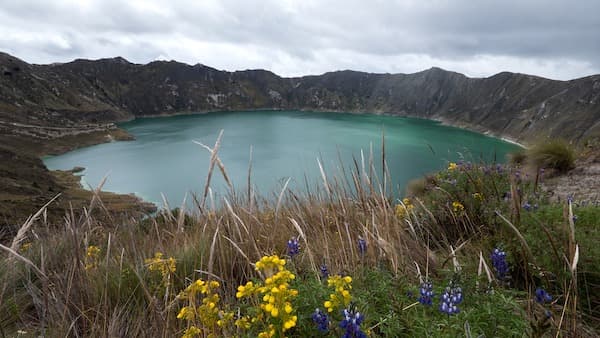
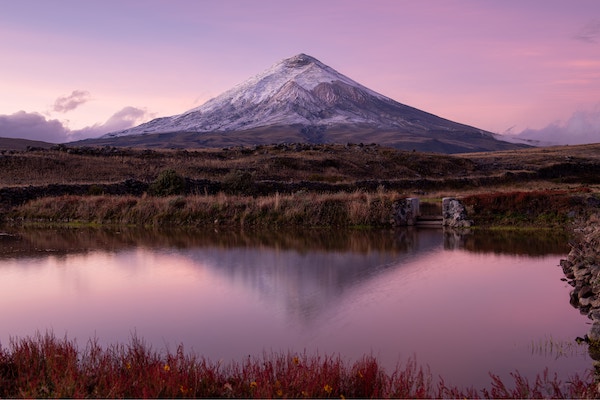
Sleep: a lodge on the Avenue of the Volcanoes (night 4), Quito (night 5). This is the heart of any Ecuador itinerary. On day 4 you hike toward the José Rivas refuge at about 4,864 m on Cotopaxi and mountain bike down to Limpiopungo Lagoon. On day 5 you walk the rim of Quilotoa, a crater lake at roughly 3,900 m, and can hike down to the water. Our Cotopaxi and Quilotoa guide covers both in depth.
Doing it on your own: take a bus from Quitumbe terminal to Latacunga (about 2 hours, under $3), then the bus to Quilotoa (just under 2 hours). Cotopaxi is harder without a car, since buses only drop you on the highway and you still need a ride into the park.
Cotopaxi & Quilotoa 2 Day Adventure · From USD 170 pp · 2 days, 1 night · Departs Wed–Thu, Thu–Fri, Sat–Sun
Transport from Quito, a bilingual guide, bikes, a night in a volcano-view lodge and most meals, so you see both places without juggling four buses.
Day 6: Quito to Baños
Sleep: Baños. Buses leave Quitumbe every 15–30 minutes in the morning and take about 3.5 to 4 hours (around $4–5). Baños sits lower, near 1,800 m, so you will sleep better. Spend the afternoon at the Casa del Árbol swing or in the thermal baths. Our Baños guide lists what is worth your money.
Day 7: Waterfall route and back to Quito
Sleep: Quito or airport area. Rent a bike in the morning and ride the Ruta de las Cascadas to the Pailón del Diablo waterfall, then catch a truck or bus back to town. Take an early-afternoon bus to Quito. If your flight is that night, go straight from Quitumbe to the airport and give yourself at least 5 hours of margin.
Local tip: If you skip the tour, you can do Quilotoa and Baños in one direction: Quito, Latacunga, Quilotoa, back to Latacunga, then on to Baños. A direct Latacunga–Baños bus leaves around midday; otherwise change in Ambato. Latacunga to Baños takes roughly 2 to 2.5 hours either way.
How should you spend 10 days in Ecuador?
Take the 7-day route and add one of two extensions. You cannot comfortably do both in 10 days.
Option A: 10 day Ecuador itinerary with the Amazon
Days 1–6 follow the plan above. Then:
- Day 7: Baños back to Quito (3.5–4 hours). Rest, eat, and board the overnight bus to Lago Agrio around 22:00–23:00. The ride takes 7–8 hours. Sleep: on the bus.
- Day 8: Breakfast in Lago Agrio, then about 2 hours by road to the Cuyabeno Bridge and a motor canoe to the lodge. Afternoon wildlife spotting and a swim in Laguna Grande at sunset. Sleep: jungle lodge.
- Day 9: Jungle walk, a visit to a Siona community, night walk for frogs and insects. Sleep: jungle lodge.
- Day 10: Early bird watching, canoe back to the bridge, road to Lago Agrio and the night bus to Quito, arriving early on day 11.
That last night means you should book your flight home for the afternoon of day 11. If you have one more day, the 4-day, 3-night option gives you a full day in the reserve without rushing. Read our Cuyabeno tour from Quito guide for what the lodge days look like.
Cuyabeno Jungle Tour · From USD 310 pp · 3D/2N, 4D/3N or 5D/4N · Departs Mon, Tue, Thu, Fri
A bilingual naturalist guide, boots, poncho and meals on tour. We help you book the night bus to Lago Agrio so the timing works.
Option B: 10 days heading south to the Devil’s Nose
This version suits travelers flying out of Cuenca or Guayaquil. Days 1–6 are the same. Then:
- Day 7: Morning in Baños, then bus to Riobamba (about 1.5 hours) and on to Alausí (about 1.5–2 hours). Sleep: Alausí. Community Hostel Alausí, our sister hostel, is a short walk from the station.
- Day 8: Ride the Devil’s Nose train from Alausí down the switchbacks to Sibambe and back, about 2.5 hours. Take the afternoon bus to Cuenca (about 3 hours). Sleep: Cuenca.
- Days 9–10: Cuenca’s old town and a day in Cajas National Park or at the Ingapirca ruins, then fly out or take a flight back to Quito.
As of mid-2026, the train runs Thursday to Sunday and public holidays at 08:00, 11:00 and 14:00, and costs $30 for foreign adults. The schedule has changed several times after landslides, so check our Devil’s Nose train guide and buy tickets on Ticket Éxito before you commit to the dates.
What does 2 weeks in Ecuador with the Galápagos look like?
Fourteen days lets you do the Andes properly and still spend five days on the islands. We suggest the mainland first, so you are acclimatized and rested before the boat days.
- Days 1–7: The 7-day Andes route above. Sleep in Quito on night 7.
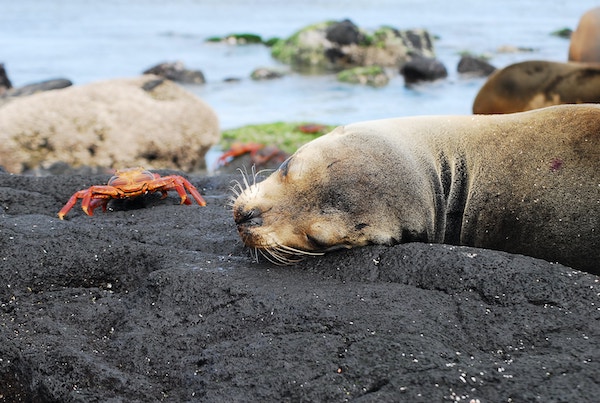
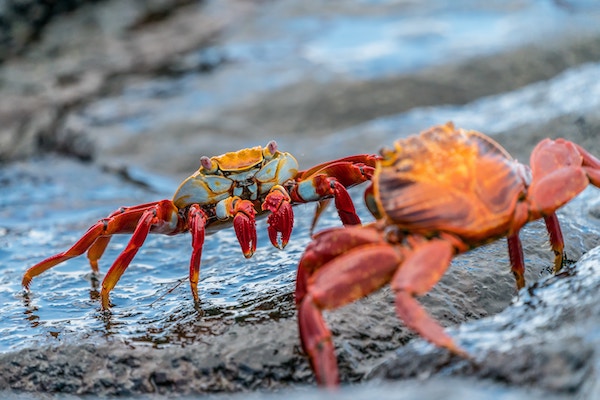
- Day 8: Fly Quito to Baltra (Santa Cruz). Most flights stop in Guayaquil and the trip takes about 3.5 hours. Pay the $20 transit card at the Quito airport before check-in and the $200 national park fee in cash on arrival. Afternoon at the Charles Darwin Station. Sleep: Puerto Ayora.
- Day 9: Santa Cruz highlands to see giant tortoises in the wild and the twin craters. Speedboat to Isabela (about 2 hours). Sleep: Puerto Villamil.
- Day 10: Snorkel at Los Túneles or Tintoreras, flamingo lagoons, Wall of Tears. Sleep: Isabela.
- Day 11: Speedboat back to Santa Cruz, or on to San Cristóbal if you book the 3-island version (the exact order depends on the package). Sleep: Santa Cruz or San Cristóbal.
- Day 12: Fly back to Quito or Guayaquil. Sleep: Quito.
- Days 13–14: Buffer days. Take the Mindo or Otavalo trip you skipped, or join the Friday Foodie & Beer Tour. Fly home on day 14.
Island-hopping costs far less than a cruise, and our Galápagos on a budget guide breaks down 2026 prices for flights, fees and food.
5 Day Galápagos Island Hopping on a Budget · 3 islands, 2 islands or Santa Cruz only · Daily departures on request
Hotels, breakfasts and lunches, speedboats, snorkel gear and guided activities on each island. Prices change with the season, so ask us on WhatsApp for the current rate.
Want the Amazon too? Swap Baños for a 3-day Cuyabeno trip in the first week, or stretch the trip to 17 days. Trying to fit the Andes, the jungle and the islands into 14 days usually means three night buses and a lot of tired people.
How do you adapt the itinerary for rainy season and altitude?
Ecuador has no single rainy season. In the Andes, the wetter months run roughly from October to May, with mornings usually clearer than afternoons. June to September is drier and windier, which is the best window for Cotopaxi views.
- Schedule volcanoes for mornings. Cotopaxi often hides in cloud after 11:00. If day 4 is fully overcast, swap it with Baños and try again.
- Build in one flexible day. Landslides can close the Baños waterfall road or the Devil’s Nose line after heavy rain.
- Amazon water levels change the experience. Cuyabeno is open all year, but in drier spells Laguna Grande can drop low enough to change canoe routes. Ask us about current conditions before you book.
- Galápagos seasons are the opposite of what people expect. December to May is warmer with calmer seas; June to November is cooler with richer marine life and choppier boat rides.
- Climb gradually. Sleep a night or two in Quito before going above 3,500 m. If you arrive from sea level with a history of altitude trouble, move Baños to days 3–4 and do Cotopaxi later.
Pack for four climates in one bag. Our Ecuador packing list covers rain gear, layers for 4,000 m and what the jungle lodges provide.
Local tip: On Cotopaxi and Quilotoa days, bring gloves and a warm hat even if Quito feels like spring. The Quilotoa rim is exposed and windy, and the climb back up from the lake takes most people 45–90 minutes at nearly 3,900 m.
How do you get around Ecuador on a backpacking route?
Buses go everywhere, run often and cost around $1–1.50 per hour of travel. The key is knowing which terminal to use.
| Route | Terminal / departure | Approx. time | Approx. fare (2026) |
|---|---|---|---|
| Quito – Latacunga | Quitumbe (south) | 2 h | $2.50–3 |
| Latacunga – Quilotoa | Latacunga terminal | just under 2 h | $2.50 |
| Latacunga – Baños | Direct at midday or via Ambato | 2–2.5 h | $2.50–3 |
| Quito – Baños | Quitumbe | 3.5–4 h | $4–5 |
| Baños – Riobamba | Baños terminal | about 1.5 h | $2 |
| Riobamba – Alausí | Riobamba terminal | 1.5–2 h | $2–3 |
| Alausí – Cuenca | Panamericana stop | about 3 h | $9–10 |
| Quito – Mindo | La Ofelia (north) | 2–2.5 h | $3.60 |
| Quito – Otavalo | Carcelén (north) | 2–2.5 h | $3–6 |
| Quito – Lago Agrio | Quitumbe or tourist night bus | 7–8 h | $12–25 |
Fares are cash only on most buses. Keep your daypack on your lap, not in the overhead rack, and use registered taxis or ride apps to reach the terminals. Our practical guide on whether Ecuador is safe in 2026 covers bus safety and which areas to avoid after dark.
Local tip: Quitumbe terminal is a 45–60 minute taxi ride from the Old Town at rush hour. For a 07:00 bus to Latacunga or Baños, leave by 06:00 and bring small bills for the ticket counter.
When should you book each part of your trip?
- 2–3 months ahead: Galápagos flights and island-hopping packages, especially for June to August and the Christmas holidays. Flights book up before hotels do.
- 2–4 weeks ahead: Cuyabeno lodges and the Cotopaxi & Quilotoa 2-day trip in high season. A week is often enough in shoulder months.
- 1–2 weeks ahead: Devil’s Nose train tickets for weekends and holidays. Weekday seats usually last longer.
- A day ahead or on the spot: Buses, the Free Walking Tour and most day trips from Quito.
Before you go, confirm your passport validity and any entry rules on our Ecuador visa and entry requirements page, and check the Galápagos National Park and Galápagos Government Council sites for current island fees.
Plan it with us
Every traveler’s dates, budget and fitness are different, and we are happy to adjust any of these routes. Stop by our office at Pedro Fermín Cevallos N6-78 y Olmedo in Quito, message us on WhatsApp at +593 97 953 3832, or email info@communitytravel.ec. Tell us how many days you have and we will match you with the right tours and departure dates. You can also browse all our tours.
Frequently asked questions
How many days do you need in Ecuador?
Seven days is enough for the highlands around Quito: the Old Town, Otavalo or Mindo, Cotopaxi, Quilotoa and Baños. Ten days lets you add either the Amazon (Cuyabeno) or the Devil’s Nose train in the south. To include the Galápagos without rushing, plan at least 14 days, with five of them on the islands and one or two buffer days for weather or flight changes.
Is 7 days in Ecuador enough?
Yes, if you focus on one region. A week covers Quito, a market or cloud forest day trip, Cotopaxi and Quilotoa, and a couple of nights in Baños with only short bus rides. What a week cannot do well is the Andes plus the Amazon or the Galápagos, since each of those adds two travel days on its own. Pick the highlands and come back for the rest.
Can you do Ecuador and the Galápagos in 10 days?
You can, but it is tight. A realistic 10-day plan is three or four days around Quito and Cotopaxi, then five days island hopping, with a day on each end for flights. You would skip Baños and Quilotoa or do only one of them. If you have 14 days, the trip feels far more relaxed and you acclimatize in the Andes before the islands.
What is the best order for an Ecuador travel itinerary?
Start in Quito and stay two nights to adjust to the 2,850 m altitude. Do the high places like Cotopaxi and Quilotoa next, then drop to Baños to rest. Save the Amazon or Galápagos for the second week, so you arrive rested. If you fly out of Cuenca or Guayaquil, travel south via Riobamba and Alausí instead of returning to Quito.
How much does a 2-week trip to Ecuador cost?
As of 2026, two weeks on a budget-to-mid-range plan costs roughly $2,300 to $3,500 per person with a 5-day Galápagos island-hopping trip, not counting international flights. Without the Galápagos, two weeks in the Andes and Amazon runs about $1,300 to $1,900. The biggest single costs are Galápagos flights, the $200 park fee and multi-day tours.
Do you need a tour, or can you travel Ecuador independently?
Both work. Buses are cheap, frequent and connect every town on these routes, so Baños, Otavalo, Mindo and Quilotoa are easy on your own. Tours make the most sense for Cotopaxi, which has no public transport inside the park, for the Amazon, where you need a lodge and guide, and for the Galápagos, where a package bundles boats, hotels and guided sites.
When is the best time to follow an Ecuador itinerary?
Any month works. June to September is drier in the Andes and best for clear volcano views, though it is also the busiest season. December to May brings more afternoon rain in the highlands but warmer, calmer seas in the Galápagos. The Amazon is wet year-round, so pack a rain jacket whenever you go and plan outdoor activities for the morning.